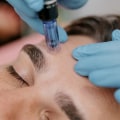
In the ever-evolving landscape of cosmetic treatments, polynucleotide treatment has emerged as a groundbreaking option, particularly for those seeking effective solutions with minimal recovery time. This innovative therapy harnesses the power of polynucleotides, which are naturally occurring molecules that play a crucial role in cellular repair and regeneration. By stimulating the body’s own healing processes, polynucleotide treatment offers a unique approach to enhancing skin quality and overall appearance.Complementing this treatment is exosomal therapy , which utilises exosomes—tiny vesicles secreted by cells that facilitate communication and transfer of proteins and genetic material between them. This synergy between polynucleotide treatment and exosomal therapy not only amplifies the regenerative effects but also significantly reduces downtime, making it an attractive option for individuals with busy lifestyles.
Patients can expect to experience minimal side effects, allowing them to return to their daily routines almost immediately after the procedure.The appeal of these treatments lies not only in their effectiveness but also in their ability to fit seamlessly into modern life. Unlike traditional cosmetic procedures that often require extensive recovery periods, polynucleotide and exosomal therapies are designed to be minimally invasive. This means that patients can enjoy the benefits of rejuvenated skin without the prolonged interruptions typically associated with more invasive treatments.As we delve deeper into the specifics of polynucleotide treatment and exosomal therapy, it becomes clear that their combined advantages extend beyond just aesthetic improvements. They represent a shift towards more holistic approaches in cosmetic medicine, prioritising patient comfort and convenience while delivering remarkable results.
What is Exosomal Therapy?
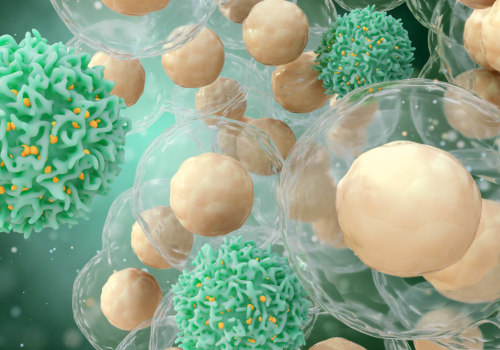
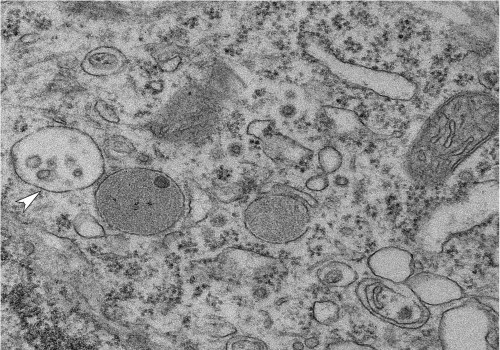
Exosomal therapy is an innovative approach in regenerative medicine that utilises exosomes—tiny vesicles secreted by cells—to facilitate communication and promote healing within the body.These exosomes play a crucial role in cellular interactions, acting as messengers that transport proteins, lipids, and genetic material between cells. This natural process of intercellular communication is fundamental to maintaining homeostasis and orchestrating the body’s response to injury or disease.At the core of exosomal therapy is the ability to harness these vesicles for therapeutic purposes. By isolating exosomes from specific cell types, such as stem cells, practitioners can create a concentrated treatment that delivers a wealth of bioactive molecules directly to target tissues. This targeted delivery enhances cellular regeneration and repair, making exosomal therapy a promising option for various conditions, including skin rejuvenation, wound healing, and even hair restoration.One of the primary benefits of exosomal therapy is its potential to reduce inflammation and promote tissue regeneration.
The bioactive components within exosomes can modulate immune responses, thereby minimising inflammation and accelerating recovery. This is particularly advantageous in cosmetic treatments where inflammation can lead to prolonged downtime and discomfort.Moreover, exosomal therapy complements polynucleotide treatment by enhancing its effects. While polynucleotides work at the cellular level to stimulate regeneration and repair, exosomes can amplify these processes by providing additional signals that encourage cell proliferation and differentiation. This synergy not only improves the overall efficacy of treatments but also contributes to a more rapid recovery time for patients.In summary, exosomal therapy represents a cutting-edge advancement in the field of regenerative medicine.
By leveraging the natural properties of exosomes, this therapy offers significant benefits in promoting healing and rejuvenation while working harmoniously with other treatments like polynucleotide therapy. As research continues to unfold, the potential applications of exosomal therapy are likely to expand, offering new hope for patients seeking effective solutions for various health and aesthetic concerns.
Understanding Polynucleotide Treatment
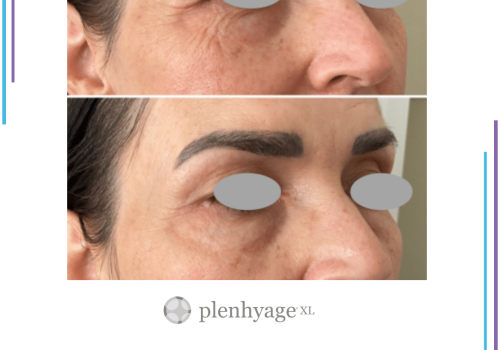
Polynucleotide treatment is an innovative approach in the realm of cosmetic procedures, harnessing the power of biological molecules to promote skin rejuvenation and healing. At its core, this treatment utilises polynucleotides, which are naturally occurring compounds made up of long chains of nucleotides. These molecules play a crucial role in cellular functions, including DNA and RNA synthesis, making them essential for cellular repair and regeneration.One of the primary mechanisms by which polynucleotide treatment works is through the stimulation of fibroblast activity.Fibroblasts are cells within the skin that produce collagen and elastin, two proteins vital for maintaining skin structure and elasticity. By introducing polynucleotides into the skin, the treatment encourages these cells to increase collagen production, leading to improved skin texture and firmness.Moreover, polynucleotide treatment has been shown to enhance the skin's natural healing processes. This is particularly beneficial for individuals recovering from various skin conditions or cosmetic procedures. The anti-inflammatory properties of polynucleotides help to reduce redness and swelling, allowing for a quicker recovery time.
As a result, patients often experience minimal downtime compared to other treatments.The applications of polynucleotide treatment extend beyond mere aesthetic improvements. It is also effective in addressing issues such as fine lines, wrinkles, and overall skin tone irregularities. Patients seeking a more youthful appearance can benefit significantly from this treatment, as it not only improves the surface of the skin but also promotes deeper structural changes.In summary, polynucleotide treatment represents a significant advancement in cosmetic medicine. Its ability to stimulate collagen production, enhance healing, and provide long-lasting results makes it a compelling option for those looking to rejuvenate their skin with minimal downtime.
As research continues to evolve in this field, the potential applications and benefits of polynucleotide therapy are likely to expand even further.
The Importance of Minimal Downtime in Cosmetic Treatments
In the realm of cosmetic treatments, the importance of minimal downtime cannot be overstated. For many individuals considering procedures such as polynucleotide treatment or exosomal therapy, the prospect of recovery time plays a crucial role in their decision-making process. Patients often lead busy lives, balancing work, family, and social commitments, making it essential for them to return to their normal routines as quickly as possible.One of the primary concerns patients express is the fear of prolonged recovery periods. Traditional cosmetic procedures can involve significant downtime, which may deter potential candidates from pursuing treatment.The anxiety surrounding visible side effects, such as swelling or bruising, can lead to hesitation. However, with advancements in treatments like polynucleotide therapy, patients can enjoy the benefits of effective results with minimal interruption to their daily lives.Minimal downtime not only enhances patient satisfaction but also encourages more individuals to consider cosmetic enhancements. When patients know they can undergo a procedure and return to their usual activities almost immediately, it alleviates much of the stress associated with cosmetic treatments. This is particularly relevant in today’s fast-paced society, where time is often at a premium.Moreover, the ability to resume normal activities quickly can significantly impact a patient’s mental well-being.
The confidence boost that comes from improved appearance can be undermined if patients feel self-conscious about visible signs of treatment. With minimal downtime, they can enjoy their results without the worry of being judged or questioned about their appearance.In conclusion, the importance of minimal downtime in cosmetic treatments like polynucleotide therapy is a significant advantage for patients. It not only facilitates a smoother recovery process but also empowers individuals to embrace their choices without the burden of extended recovery times. As more people seek out these innovative treatments, understanding the benefits of minimal downtime will continue to shape their decisions and enhance their overall experience.
Expected Downtime After Polynucleotide Treatment
When considering polynucleotide treatment, one of the primary concerns for patients is the expected downtime following the procedure.Understanding what to anticipate can significantly alleviate anxiety and help in planning post-treatment activities.Generally, polynucleotide treatments are celebrated for their minimal downtime compared to other cosmetic procedures. Most patients experience only slight side effects, which typically resolve quickly. Here’s a closer look at what you can expect:
Common Side Effects
- Redness: It is common to notice some redness at the injection sites immediately after treatment. This usually subsides within a few hours.
- Swelling: Mild swelling may occur, particularly if the treatment is administered on sensitive areas such as the face.
This swelling generally diminishes within a day or two.
- Bumps: Small bumps under the skin can appear where the injections were made. These are typically temporary and should resolve within a few days.
- Bruising: Although rare, some patients may experience bruising at the injection sites. This can be managed with proper aftercare and usually fades within a week.
Recovery Time
The recovery time after polynucleotide treatment is notably brief.Most patients find that they can resume their normal activities almost immediately after the procedure. This is one of the significant advantages of opting for polynucleotide therapy over more invasive treatments that require extended recovery periods.It’s important to note that while initial side effects may resolve quickly, the full benefits of polynucleotide treatment may take longer to manifest. Patients often begin to see improvements in their skin texture and appearance within two to three weeks; however, optimal results are typically visible after about three months.In summary, polynucleotide treatment offers a convenient option for those seeking cosmetic enhancements with minimal downtime. By understanding the expected side effects and recovery time, patients can make informed decisions and enjoy their results sooner.
Factors Influencing Downtime in Polynucleotide Treatment
When considering polynucleotide treatment, it is essential to understand that the downtime experienced by patients can vary significantly based on several factors.These factors can influence not only the duration of recovery but also the overall effectiveness of the treatment.
1.Area Treated
The specific area of the body being treated plays a crucial role in determining downtime. For instance, facial treatments may lead to more noticeable side effects such as redness and swelling compared to treatments on less visible areas. The skin on the face is generally more sensitive and may react differently to injections. Commonly treated areas include:
- Face: Patients may experience mild swelling, bruising, or redness at injection sites, which typically resolves within a few days.
- Neck: Similar to facial treatments, neck procedures can also result in temporary swelling and tenderness.
- Hands: Treatments on the hands may lead to slight bruising but usually have minimal downtime.
2.Individual Recovery Times
Each patient’s body responds differently to exosomal therapy, which can affect recovery times.
Factors such as age, skin type, and overall health can influence how quickly one heals. For example:
- Younger patients often experience quicker recovery due to better skin elasticity and healing capabilities.
- Patients with pre-existing conditions , such as autoimmune disorders, may find their recovery prolonged due to their body's unique response mechanisms.
- Skin sensitivity can also play a role; individuals with sensitive skin may experience more pronounced side effects.
3.Treatment Technique
The technique used during the polynucleotide treatment can also impact downtime. Skilled practitioners who employ precise injection techniques may minimise trauma to the surrounding tissues, leading to less swelling and quicker recovery times.In summary, while polynucleotide treatment is known for its minimal downtime, various factors such as the area treated, individual patient differences, and treatment techniques can influence recovery experiences. Understanding these elements can help patients set realistic expectations and prepare adequately for their post-treatment journey.
Post-Treatment Care for Optimal Recovery
After undergoing polynucleotide treatment, proper post-treatment care is crucial for ensuring optimal recovery and minimising any potential downtime.By following a few essential guidelines, patients can enhance their healing process and enjoy the benefits of their treatment more quickly.
- Keep the Area Clean: It is vital to maintain cleanliness around the treated area. Gently cleanse the skin with a mild, non-irritating cleanser to prevent infection. Avoid using harsh scrubs or exfoliants for at least a week post-treatment.
- Avoid Touching: Refrain from touching or picking at the injection sites. This can introduce bacteria and lead to complications such as infection or scarring.
- Moisturise: Keeping the skin hydrated is essential for recovery.
Use a gentle moisturiser recommended by your practitioner to soothe the skin and promote healing.
- Sun Protection: Protecting your skin from sun exposure is critical after treatment. Apply a broad-spectrum sunscreen with an SPF of at least 30 whenever you go outside, even on cloudy days. This helps prevent hyperpigmentation and protects sensitive skin.
- Limit Physical Activity: For the first few days post-treatment, it’s advisable to avoid strenuous exercise or activities that may cause excessive sweating. This can help reduce swelling and allow your body to focus on healing.
- Cold Compress: If you experience swelling or discomfort, applying a cold compress can provide relief.
Use a clean cloth soaked in cold water or an ice pack wrapped in a towel for short intervals.
- Follow-Up Appointments: Attend any scheduled follow-up appointments with your practitioner. These visits are essential for monitoring your recovery and addressing any concerns you may have.
Comparing Polynucleotide Treatment with Other Cosmetic Procedures
When considering cosmetic procedures, patients often weigh the benefits and drawbacks of various treatments. Polynucleotide treatment stands out in this landscape, particularly when compared to more traditional options such as dermal fillers, Botox, and laser therapies.Each of these treatments has its own set of advantages and disadvantages, especially concerning downtime and overall effectiveness.
Dermal Fillers
are popular for their immediate results in adding volume and smoothing wrinkles. However, they often come with significant downtime due to swelling and bruising at injection sites. Patients may need to avoid strenuous activities for a few days post-treatment, which can be inconvenient for those with busy lifestyles.
Botox
, another widely used cosmetic procedure, also offers quick results but can lead to temporary side effects such as headaches or drooping eyelids. The downtime associated with Botox is generally minimal, yet some patients may experience bruising or discomfort that can last for several days.
Laser Treatments
, while effective for skin resurfacing and pigmentation issues, typically require a longer recovery period.
Patients often experience redness, peeling, and sensitivity that can last from several days to weeks, depending on the intensity of the treatment. This extended downtime can be a significant drawback for those seeking immediate results.In contrast, polynucleotide treatment offers a unique advantage with its minimal downtime. While some patients may experience slight redness or swelling immediately after the procedure, these effects usually resolve within a few days. This allows individuals to return to their daily routines almost immediately without the need for extensive recovery time.Moreover, the effectiveness of polynucleotide treatment is notable.
Unlike fillers or Botox that provide temporary solutions, polynucleotides work at a cellular level to promote long-term skin rejuvenation and healing. This means that while initial results may take a few weeks to become visible, the long-lasting benefits are well worth the wait.In summary, when comparing polynucleotide treatment with other cosmetic procedures, it becomes clear that its minimal downtime and long-term effectiveness make it an appealing choice for many patients. Those looking for a treatment that allows them to maintain their active lifestyles while achieving significant skin improvements should consider the advantages offered by polynucleotides.
Frequently Asked Questions about Polynucleotide Treatment and Downtime
As with any cosmetic treatment, patients often have numerous questions regarding polynucleotide treatment and the associated downtime. Below are some of the most frequently asked questions that can help clarify any concerns you may have.- What is the expected downtime after polynucleotide treatment?
The downtime associated with polynucleotide treatment is minimal.Most patients experience only slight redness or swelling at the injection sites, which typically resolves within a few days. This allows individuals to return to their daily activities almost immediately after the procedure.
- Are there any side effects I should be aware of?
While side effects are generally mild, some patients may notice temporary bruising or small bumps under the skin. These effects are usually short-lived and can be managed with proper aftercare. - How long does it take to see results?
Initial improvements may be visible within 2 to 3 weeks; however, the full benefits of polynucleotide treatment typically become apparent after about 3 months. This gradual enhancement is due to the cellular-level action of polynucleotides. - Can I resume my normal activities right after treatment?
Yes, most patients can resume their regular routines immediately following the procedure.The minimal downtime is one of the key advantages of polynucleotide therapy, making it an appealing option for those with busy lifestyles.
- Is there a risk of complications?
As with any injectable treatment, there is a small risk of complications such as infection or excessive bruising. However, these occurrences are rare and can be mitigated by following your practitioner’s aftercare instructions closely.
Conclusion: The Benefits of Choosing Polynucleotide Treatment for Minimal Downtime
In conclusion, the advantages of opting for polynucleotide treatment are clear, particularly when it comes to minimising downtime. This innovative approach to cosmetic enhancement not only offers effective results but also ensures that patients can quickly return to their daily routines without the prolonged recovery periods often associated with other treatments.Throughout this article, we have explored several key benefits of polynucleotide therapy:- Minimal Downtime: One of the most significant advantages is the minimal downtime required after treatment.
Patients typically experience only slight redness or swelling, which subsides rapidly, allowing them to resume normal activities almost immediately.
- Quick Recovery: Unlike more invasive procedures that may necessitate days or weeks of recovery, polynucleotide injections allow for a swift return to everyday life. This is particularly appealing for those with busy schedules or commitments.
- Temporary Side Effects: Any side effects, such as mild bruising or swelling at injection sites, are generally temporary and manageable. With proper aftercare, these effects can be minimised, further enhancing patient satisfaction.
- Long-Term Results: While the full effects of polynucleotide treatment may take time to manifest—often becoming visible after three months—the long-lasting results are well worth the wait. Patients can enjoy sustained improvements in skin texture and appearance.
- Enhanced Patient Satisfaction: The combination of minimal downtime and effective results contributes significantly to overall patient satisfaction.
Many individuals find that they can achieve their aesthetic goals without the stress and inconvenience of extensive recovery periods.