In recent years, the field of gene therapies has emerged as a revolutionary approach to treating a variety of genetic disorders and diseases. By directly targeting the underlying genetic causes of illnesses, these therapies offer the potential for long-lasting solutions rather than merely alleviating symptoms. The significance of gene therapies in modern medicine cannot be overstated, as they represent a paradigm shift towards personalised treatment strategies that cater to the unique genetic makeup of each patient. With the FDA approving several groundbreaking gene therapies, the landscape of treatment options is rapidly evolving, providing hope to patients with previously untreatable conditions. Among the innovative approaches within this domain is exosomal therapy, which utilises exosomes—small extracellular vesicles that facilitate intercellular communication.
These vesicles play a crucial role in transporting proteins, lipids, and nucleic acids between cells, thereby influencing various biological processes. Exosomal therapy harnesses this natural mechanism to deliver therapeutic agents more effectively, enhancing the efficacy of gene therapies. This method not only improves targeted delivery but also minimises potential side effects associated with traditional delivery systems. The relevance of exosomal therapy in the context of FDA-approved treatments is becoming increasingly apparent as researchers explore its applications across a range of diseases, including cancer, neurodegenerative disorders, and genetic conditions. As we delve deeper into the advancements in gene therapies and their implications for patient care, it is essential to understand how exosomal therapy fits into this evolving narrative.
By examining its mechanisms, benefits, and current status within regulatory frameworks, we can appreciate the transformative potential that lies ahead in the realm of gene-based medicine.
Understanding Gene Therapy: Definitions and Mechanisms
Gene therapy represents a revolutionary approach in the field of medicine, aiming to treat or prevent diseases by directly modifying the genetic material within a patient's cells. This innovative technique can be defined as the introduction, removal, or alteration of genetic material within a person's cells to combat disease. The underlying principle is to address the root cause of genetic disorders rather than merely alleviating symptoms.At its core, gene therapy operates through several mechanisms, each tailored to specific therapeutic goals. The primary mechanisms include:Gene therapy represents a revolutionary approach in the field of medicine, aiming to treat or prevent diseases by directly modifying the genetic material within a patient's cells. This innovative technique can be defined as the introduction, removal, or alteration of genetic material within a person's cells to combat disease. The underlying principle is to address the root cause of genetic disorders rather than merely alleviating symptoms.At its core, gene therapy operates through several mechanisms, each tailored to specific therapeutic goals. The primary mechanisms include:- Gene Addition: This involves introducing a healthy copy of a gene into a patient's cells to compensate for a nonfunctional or absent gene.
For instance, in conditions like cystic fibrosis, where a defective gene leads to severe respiratory issues, delivering a functional version of the gene can restore normal function.
- Gene Editing: Techniques such as CRISPR-Cas9 allow for precise alterations in the DNA sequence. This method can correct mutations at specific locations in the genome, offering potential cures for genetic disorders like sickle cell disease.
- Gene Silencing: In some cases, it may be beneficial to silence or inhibit the expression of a harmful gene. This approach is particularly relevant in certain cancers where oncogenes drive uncontrolled cell growth.
- Somatic Gene Therapy: This type targets non-reproductive cells and is primarily used for treating diseases in an individual without affecting future generations.
- Germline Gene Therapy: Although still largely experimental and ethically debated, this approach involves modifying genes in reproductive cells, potentially passing changes to future offspring.
- Exosomal Therapy: A novel area within gene therapy that utilises exosomes—small vesicles secreted by cells—to deliver genetic material. This method offers advantages such as enhanced stability and reduced immunogenicity compared to traditional viral vectors.
As researchers continue to explore these mechanisms and types, the potential for developing effective treatments for previously incurable diseases becomes increasingly promising.
The Role of Exosomes in Gene Therapy
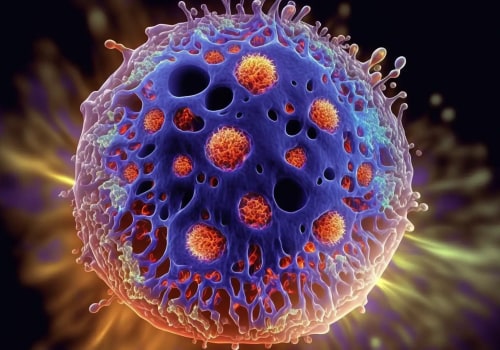
Exosomes, which are small extracellular vesicles ranging from 30 to 150 nanometers in diameter, have emerged as pivotal players in the realm of gene therapy. These naturally occurring carriers are secreted by various cell types and play a crucial role in intercellular communication. Their unique properties make them particularly suitable for the targeted delivery of genetic material, offering several advantages over traditional delivery methods.One of the primary benefits of using exosomes in gene therapy is their ability to encapsulate and transport nucleic acids, such as DNA and RNA , while protecting them from degradation. This encapsulation is vital, as it ensures that the genetic material remains intact until it reaches its intended target cells.Furthermore, exosomes possess inherent targeting capabilities due to their surface proteins, which can be engineered to enhance specificity towards particular cell types or tissues.In contrast to conventional delivery systems, such as viral vectors or liposomes, exosomes offer a more biocompatible and less immunogenic option. Their natural origin reduces the risk of adverse immune responses, making them safer for therapeutic applications. Additionally, exosomes can traverse biological barriers more effectively than many synthetic carriers, facilitating the delivery of therapeutic agents across challenging environments like the blood-brain barrier.The versatility of exosomal delivery systems extends beyond just nucleic acids. They can also transport proteins, lipids, and other biomolecules, making them a multifaceted tool in gene therapy.
Researchers are actively exploring methods to enhance the loading capacity of exosomes and improve their stability during circulation. Techniques such as electroporation and chemical modification are being investigated to increase the efficiency of exosomal loading with therapeutic agents.Moreover, the potential for exosomes to be used in combination with other therapeutic modalities is an exciting area of research. For instance, they can be employed alongside immunotherapies or small molecule drugs to create synergistic effects that enhance treatment outcomes.In summary, exosomes represent a promising avenue in the evolution of gene therapy. Their natural ability to facilitate targeted delivery of genetic material, coupled with their safety profile and versatility, positions them as a valuable asset in developing innovative therapeutic strategies.
As research continues to unveil their full potential, exosomal therapy may well redefine how we approach the treatment of genetic disorders and other diseases.
Current Landscape of FDA-Approved Gene Therapies
The landscape of FDA-approved gene therapies has evolved significantly in recent years, reflecting advancements in genetic research and technology. As of 2023, the FDA has approved a diverse array of gene therapies that target various genetic disorders, cancers, and other serious health conditions. These therapies represent a paradigm shift in treatment approaches, offering hope to patients with previously untreatable diseases.Among the notable FDA-approved gene therapies are:- Luxturna (voretigene neparvovec) : Approved for the treatment of inherited retinal disease caused by mutations in the RPE65 gene, Luxturna is a pioneering therapy that restores vision in patients with this rare condition.
- Zolgensma (onasemnogene abeparvovec-xioi) : This groundbreaking therapy is designed for children with spinal muscular atrophy (SMA), a severe genetic disorder that leads to muscle weakness and atrophy. Zolgensma works by delivering a functional copy of the SMN1 gene to halt disease progression.
- Kymriah (tisagenlecleucel) : A CAR T-cell therapy approved for certain types of blood cancers, Kymriah modifies a patient’s own T cells to target and destroy cancer cells, showcasing the potential of immunotherapy in oncology.
- Yescarta (axicabtagene ciloleucel) : Similar to Kymriah, Yescarta is another CAR T-cell therapy that treats large B-cell lymphoma, providing an innovative option for patients who have not responded to traditional treatments.
- Skysona (elivaldogene autotemcel) : Approved for the treatment of cerebral adrenoleukodystrophy (CALD), Skysona offers a new hope for patients with this rare genetic disorder affecting the brain and adrenal glands.
The FDA evaluates clinical trial data meticulously before granting approval, which is crucial for maintaining public trust in these innovative treatments. The regulatory framework not only safeguards patient health but also encourages ongoing research and development in the field of gene therapy.As we look ahead, the list of FDA-approved gene therapies is expected to grow, driven by continuous advancements in genetic engineering and an increasing understanding of complex diseases. This evolution underscores the importance of regulatory oversight in fostering innovation while prioritising patient safety.
Exosomal Therapies: Recent Developments and Approvals
Exosomal therapies have emerged as a groundbreaking approach in the realm of gene therapy, particularly due to their ability to facilitate intercellular communication and deliver therapeutic agents effectively. Recent advancements in this field have led to several exosomal therapies receiving FDA approval , marking a significant milestone in the treatment of various diseases.One notable example is the approval of exosome-based therapies for cancer treatment.Clinical trials have demonstrated that exosomes can be engineered to carry specific RNA molecules or proteins that target cancer cells, thereby enhancing the efficacy of existing treatments. For instance, a recent study published in a leading oncology journal highlighted the use of exosomes derived from dendritic cells, which were shown to stimulate a robust immune response against tumours. This innovative approach not only improves patient outcomes but also reduces the side effects commonly associated with traditional therapies.Moreover, the FDA has recently approved exosomal therapies aimed at treating neurodegenerative diseases. Research indicates that exosomes can transport neuroprotective factors across the blood-brain barrier, offering new hope for conditions such as Alzheimer’s and Parkinson’s disease.
A pivotal clinical trial demonstrated that patients receiving exosome therapy exhibited significant improvements in cognitive function compared to those on placebo, underscoring the potential of this modality.In addition to cancer and neurodegenerative disorders, exosomal therapies are being explored for their applications in regenerative medicine. For example, studies have shown that exosomes derived from stem cells can promote tissue repair and regeneration in various organ systems. The FDA's approval of these therapies is based on compelling evidence from clinical trials that highlight their safety and effectiveness.As research continues to evolve, it is essential to monitor ongoing clinical trials focusing on exosomal therapies. These trials are crucial for understanding the full spectrum of applications and potential limitations of exosomal treatments.
The integration of advanced technologies such as nanotechnology and genetic engineering into exosomal therapy development is expected to further enhance their therapeutic potential.In conclusion, the recent developments in exosomal therapy represent a promising frontier in gene therapy, with FDA approvals paving the way for innovative treatments across various medical fields. As more data emerges from clinical trials, the future looks bright for patients benefiting from these advanced therapeutic strategies.
Benefits and Limitations of Exosomal Therapy
Exosomal therapy has emerged as a promising avenue in the realm of gene therapy, offering a range of benefits that could revolutionise treatment protocols for various diseases. However, like any innovative approach, it is not without its limitations and challenges.Benefits of Exosomal Therapy
- Enhanced Safety Profile: One of the most significant advantages of exosomal therapy is its safety. Exosomes are naturally occurring vesicles that facilitate intercellular communication, making them less likely to provoke an immune response compared to synthetic vectors used in traditional gene therapies.
- Targeted Delivery: Exosomes can be engineered to carry specific therapeutic agents directly to target cells, enhancing the efficacy of treatment while minimising off-target effects.
This targeted approach is particularly beneficial in treating cancers and genetic disorders.
- Scalability: The production of exosomes can be scaled up relatively easily, allowing for the potential mass production of therapeutic agents. This scalability is crucial for meeting the demands of clinical applications and ensuring accessibility for patients.
- Biocompatibility: As exosomes are derived from human cells, they exhibit high biocompatibility, reducing the risk of adverse reactions when administered to patients. This characteristic is vital for long-term therapeutic applications.
Limitations of Exosomal Therapy
- Complex Isolation Processes: The isolation and purification of exosomes can be complex and time-consuming. Current methods may not yield sufficient quantities or purity levels required for effective therapeutic use.
- Variability in Composition: The composition of exosomes can vary significantly depending on their source and the conditions under which they are produced.
This variability can affect their therapeutic efficacy and complicate standardisation efforts.
- Limited Understanding of Mechanisms: While exosomes hold great promise, our understanding of their mechanisms of action is still evolving. This lack of comprehensive knowledge can hinder the development of effective therapies and regulatory approval processes.
- Regulatory Challenges: As with any novel therapy, exosomal treatments face regulatory hurdles that can delay their introduction into clinical practice. Navigating these regulations requires extensive research and documentation to ensure compliance with safety standards.
Future Directions in Gene Therapy and Exosomal Applications
The landscape of gene therapy is rapidly evolving, with exosomal therapy emerging as a promising frontier.As we look to the future, several key advancements and potential applications are on the horizon that could significantly enhance the efficacy and reach of gene therapies.
Emerging Technologies in Gene Therapy
- CRISPR and Gene Editing: The advent of CRISPR technology has revolutionised gene editing, allowing for precise modifications at the genomic level. Future applications may include correcting genetic disorders at their source, potentially leading to permanent cures.
- Exosome Engineering: The ability to engineer exosomes for targeted delivery of therapeutic agents is gaining traction. By modifying exosomal surface proteins, researchers can enhance their ability to deliver RNA or proteins specifically to diseased cells, improving treatment outcomes.
- Combination Therapies: The integration of gene therapy with other modalities, such as immunotherapy or small molecule drugs, is an area of active research. This approach could lead to synergistic effects, enhancing the overall therapeutic impact.
Potential New Indications for Treatment
As research progresses, new indications for gene therapy are likely to emerge.
Conditions such as neurodegenerative diseases, autoimmune disorders, and certain types of cancer may benefit from innovative gene therapies that leverage exosomal delivery systems. For instance, targeting the central nervous system using exosomes could provide a non-invasive method to deliver therapeutic genes directly to affected neurons.
Regulatory Considerations and FDA Approvals
The role of regulatory bodies like the FDA will be crucial in shaping the future of gene therapy. As new technologies and therapies are developed, it will be essential for these organisations to establish clear guidelines that ensure safety and efficacy while fostering innovation. The FDA's commitment to expediting the approval process for breakthrough therapies will likely continue, paving the way for faster access to life-saving treatments.In conclusion, the future of gene therapy and exosomal applications holds immense promise.
With ongoing advancements in technology and a growing understanding of genetic diseases, we can anticipate a new era of personalised medicine that not only treats but potentially cures previously untreatable conditions.
Frequently Asked Questions about Exosomal Therapy and Gene Therapies
As the field of gene therapy continues to evolve, many individuals have questions regarding exosomal therapy and its relationship with gene therapies. Below are some frequently asked questions that aim to clarify these concepts and enhance understanding.What is exosomal therapy?
Exosomal therapy involves the use of exosomes, which are small extracellular vesicles secreted by cells. These vesicles play a crucial role in intercellular communication and can carry proteins, lipids, and nucleic acids. In therapeutic contexts, exosomes can be engineered to deliver specific genetic material or therapeutic agents to target cells, making them a promising tool in gene therapy.How does exosomal therapy differ from traditional gene therapies?
While traditional gene therapies often involve the direct delivery of genetic material into target cells using viral vectors or other methods, exosomal therapy utilises the natural properties of exosomes for delivery.This approach can potentially reduce immune responses and improve the stability and efficacy of the therapeutic agents being delivered.
What are the potential benefits of exosomal therapy?
- Targeted Delivery: Exosomes can be engineered to target specific cells or tissues, enhancing the precision of treatment.
- Reduced Immunogenicity: As naturally occurring vesicles, exosomes may elicit a lower immune response compared to synthetic vectors.
- Biocompatibility: Exosomes are derived from human cells, which may improve their compatibility with the body.
Are there any risks associated with exosomal therapy?
Like any emerging therapy, exosomal therapy carries potential risks. These may include unintended effects on non-target cells or tissues and the possibility of variable efficacy depending on the source and method of exosome production. Ongoing research is essential to fully understand these risks and optimise therapeutic protocols.How are gene therapies regulated?
Gene therapies, including those involving exosomal delivery systems, are subject to rigorous regulatory oversight by agencies such as the FDA. This ensures that they meet safety and efficacy standards before being approved for clinical use.The regulatory process includes preclinical studies, clinical trials, and post-marketing surveillance to monitor long-term effects.In summary, as interest in exosomal therapy grows within the realm of gene therapies, understanding these frequently asked questions can help demystify this innovative approach and its potential impact on future medical treatments.
Conclusion: The Future of Gene Therapies with Exosomes at the Forefront
As we draw to a close on our exploration of the evolving landscape of FDA-approved gene therapies, it is essential to reflect on the pivotal role that exosomal therapy is poised to play in the future of medical treatments. Throughout this article, we have examined the remarkable advancements in gene therapy, highlighting how these innovative approaches are transforming the treatment of various genetic disorders and diseases.Exosomes, as natural carriers of genetic material and proteins, offer a unique mechanism for delivering therapeutic agents directly to target cells. This capability not only enhances the efficacy of gene therapies but also reduces potential side effects associated with traditional delivery methods. The ability of exosomes to facilitate intercellular communication and modulate immune responses further underscores their significance in therapeutic applications.Moreover, the integration of exosomal therapy into existing gene therapy frameworks presents an exciting opportunity for personalised medicine.By tailoring exosomal formulations to meet the specific needs of individual patients, healthcare providers can optimise treatment outcomes and improve patient adherence. This level of customisation is particularly crucial in the context of complex diseases where a one-size-fits-all approach may fall short.Looking ahead, the potential impact of exosomal therapy on future medical treatments cannot be overstated. As research continues to unveil the intricate mechanisms underlying exosome biology, we can anticipate a surge in clinical applications that leverage these vesicles for therapeutic purposes. The ongoing collaboration between researchers, clinicians, and regulatory bodies will be vital in navigating the challenges associated with bringing these innovative therapies to market.In conclusion, as we stand on the brink of a new era in gene therapy, exosomal therapy emerges as a frontrunner in shaping the future of treatment paradigms.
Its ability to enhance delivery systems, personalise therapies, and mitigate adverse effects positions it as a cornerstone in the advancement of FDA-approved gene therapies. The journey ahead is filled with promise, and it is imperative that we continue to support and invest in this transformative field for the benefit of patients worldwide.