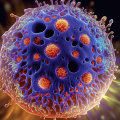
In recent years, the landscape of cancer treatment has been revolutionised by the advent of CAR T-cell therapy, a groundbreaking form of immunotherapy that harnesses the body’s own immune system to combat malignancies. This innovative approach involves the genetic modification of a patient’s T cells, enabling them to recognise and attack cancer cells more effectively. The significance of CAR T-cell therapy lies not only in its ability to provide long-term remissions for patients with certain types of blood cancers, such as acute lymphoblastic leukaemia (B-ALL) and large B-cell lymphoma (LBCL), but also in its potential to offer curative outcomes for a subset of patients who have exhausted other treatment options.As we delve deeper into the realm of CAR T-cell therapy, it is essential to explore its relationship with exosomal therapy. Exosomes are small extracellular vesicles that play a crucial role in intercellular communication and can influence various biological processes, including immune responses.
Recent research has indicated that exosomes derived from CAR T cells may enhance their therapeutic efficacy by modulating the tumour microenvironment and promoting anti-tumour immunity. This synergy between CAR T-cell therapy and exosomal therapy represents an exciting frontier in cancer treatment, potentially leading to improved outcomes and reduced side effects.The approval of several CAR T-cell therapies by the FDA marks a significant milestone in oncology, paving the way for more personalised and targeted treatment strategies. As these therapies continue to evolve, understanding their mechanisms, benefits, and challenges becomes paramount for both healthcare professionals and patients alike. This article aims to provide a comprehensive overview of FDA-approved CAR T-cell therapies, their implications for cancer treatment, and how emerging technologies like exosomal therapy may further enhance their effectiveness.
What is CAR T-Cell Therapy?
CAR T-cell therapy
represents a groundbreaking approach in the field of
immunotherapy
, specifically designed to harness the body’s own immune system to combat cancer.
This innovative treatment is particularly effective against certain types of blood cancers, including leukemia and lymphoma. The therapy involves the genetic modification of a patient’s T cells, which are a type of white blood cell crucial for immune responses.The process begins with the collection of T cells from the patient’s blood through a procedure known as leukapheresis. Once harvested, these cells are transported to a laboratory where they undergo genetic engineering. In this stage, scientists introduce a gene that encodes for a synthetic receptor known as a chimeric antigen receptor (CAR).
This receptor enables the T cells to recognise and bind to specific proteins, or antigens, present on the surface of cancer cells.After the T cells are modified to express CARs, they are expanded in number within the laboratory. Once sufficient quantities are produced, these engineered CAR T-cells are infused back into the patient’s bloodstream. Upon reintroduction, the CAR T-cells can effectively identify and attack cancer cells by binding to their specific antigens. This targeted action not only leads to the destruction of cancer cells but also stimulates a broader immune response against the malignancy.What sets CAR T-cell therapy apart from traditional treatments such as chemotherapy and radiation is its specificity and adaptability.
While conventional therapies often indiscriminately target rapidly dividing cells—cancerous or healthy—CAR T-cell therapy is designed to selectively target cancer cells, thereby minimising damage to normal tissues. Furthermore, CAR T-cells have the potential to persist in the body long after treatment, providing ongoing surveillance against cancer recurrence.This therapy has shown remarkable success in clinical trials, leading to significant remissions in patients with refractory or relapsed hematological malignancies. However, it is essential to note that CAR T-cell therapy is not without risks. Patients may experience side effects such as cytokine release syndrome (CRS) and neurotoxicity, which require careful monitoring and management by healthcare professionals.In summary, CAR T-cell therapy exemplifies a significant advancement in cancer treatment by utilising the body’s immune system in a highly targeted manner.
Its unique mechanism of action not only differentiates it from other therapeutic modalities but also offers hope for patients facing challenging malignancies.
FDA Approved CAR T-Cell Therapies
The landscape of CAR T-cell therapy has evolved significantly, with several products receiving FDA approval for the treatment of various malignancies. Below is a detailed overview of the currently approved CAR T-cell therapies, including their indications, mechanisms of action, and clinical outcomes.- Kymriah (tisagenlecleucel)
Approved in 2017, Kymriah is indicated for the treatment of acute lymphoblastic leukaemia (ALL) in patients up to 25 years old and for adult patients with large B-cell lymphoma (LBCL) after two or more lines of systemic therapy. This therapy works by modifying a patient’s T cells to express a chimeric antigen receptor (CAR) that targets the CD19 protein found on the surface of B cells. Clinical trials have shown that Kymriah can lead to complete remission in a significant percentage of patients, offering hope where traditional therapies have failed. - Yescarta (axicabtagene ciloleucel)
Approved in 2017, Yescarta is used for adult patients with LBCL who have not responded to or have relapsed after two or more lines of systemic therapy.Similar to Kymriah, Yescarta targets CD19 but has shown efficacy in a broader range of B-cell malignancies. Clinical studies indicate that approximately 50% of patients achieve complete remission within six months post-infusion.
- Breyanzi (lisocabtagene maraleucel)
This therapy received FDA approval in 2021 for adult patients with LBCL after two or more lines of systemic therapy. Breyanzi employs a unique manufacturing process that allows for a more consistent product and has demonstrated high rates of complete response in clinical trials, with some studies reporting over 70% of patients achieving remission. - Abecma (idecabtagene vicleucel)
Approved in March 2021, Abecma is the first CAR T-cell therapy for multiple myeloma. It is indicated for adults who have received at least four prior therapies.Abecma targets the BCMA (B-cell maturation antigen) on myeloma cells and has shown promising results, with clinical trials indicating a significant proportion of patients achieving minimal residual disease negativity.
The Role of Exosomal Therapy in Cancer Treatment
Exosomal therapy is an innovative approach in cancer treatment that utilises exosomes—small extracellular vesicles secreted by various cell types, including cancer cells. These exosomes play a crucial role in intercellular communication, carrying proteins, lipids, and nucleic acids that can influence the behaviour of recipient cells. In the context of cancer, exosomes can facilitate tumour progression, metastasis, and immune evasion.However, they also present unique opportunities for therapeutic intervention.
Understanding Exosomes
Exosomes are typically 30 to 150 nanometers in diameter and are formed within endosomal compartments of cells. Once released into the extracellular space, they can be taken up by neighbouring or distant cells, thereby transferring their molecular cargo. This process can modulate various biological functions, including immune responses. In cancer therapy, harnessing the properties of exosomes can enhance the efficacy of existing treatments such as CAR T-cell therapy.
The Mechanisms of Exosomal Therapy
Exosomal therapy operates on several mechanisms that can complement CAR T-cell therapy:
- Immune Modulation: Exosomes derived from dendritic cells or other immune cells can enhance T-cell activation and proliferation.
By delivering specific antigens or co-stimulatory signals, these exosomes can prime T-cells to better recognise and attack cancer cells.
- Targeted Delivery: Exosomes can be engineered to carry therapeutic agents directly to tumour sites. This targeted delivery reduces systemic toxicity and increases the concentration of drugs at the site of action.
- Overcoming Immune Suppression: Tumours often create an immunosuppressive microenvironment that hinders effective immune responses. Exosomal therapy can help counteract this by delivering molecules that inhibit immunosuppressive pathways.
Exosomes and Immunotherapy
The integration of exosomal therapy with immunotherapy represents a promising frontier in cancer treatment. For instance, combining CAR T-cell therapy with exosomal delivery systems may enhance the persistence and efficacy of CAR T-cells in the tumour microenvironment.
By utilising exosomes to deliver additional signals or therapeutic agents, researchers aim to improve the overall response rates in patients who may not respond adequately to CAR T-cell therapy alone.Moreover, ongoing research is exploring the potential of using exosomes as biomarkers for monitoring treatment responses and disease progression. Their presence in bodily fluids such as blood or urine could provide non-invasive means to assess therapeutic efficacy and guide treatment decisions.In conclusion, exosomal therapy holds significant promise in enhancing cancer treatment strategies, particularly when combined with CAR T-cell therapies. By leveraging the natural properties of exosomes for targeted delivery and immune modulation, this approach could lead to more effective and personalised cancer therapies in the future.
Comparing CAR T-Cell Therapy and Exosomal Therapy
In the evolving landscape of cancer treatment, CAR T-cell therapy and exosomal therapy represent two innovative approaches that harness the body's immune system to combat malignancies. While both therapies aim to enhance the immune response against cancer, they operate through distinct mechanisms and offer unique benefits.CAR T-Cell Therapy
CAR T-cell therapy involves the genetic modification of a patient’s own T cells to express chimeric antigen receptors (CARs) that specifically target cancer cell antigens.
This process begins with the extraction of T cells from the patient’s blood, which are then engineered in a laboratory to recognise and attack cancer cells. Once reintroduced into the patient’s bloodstream, these modified T cells proliferate and mount a robust immune response against the cancer.The primary advantage of CAR T-cell therapy lies in its ability to provide long-lasting remissions for certain blood cancers, such as acute lymphoblastic leukaemia (B-ALL) and large B-cell lymphoma (LBCL). However, this therapy is not without its challenges; potential side effects include cytokine release syndrome and neurotoxicity, which require careful monitoring.
Exosomal Therapy
Exosomal therapy, on the other hand, utilises exosomes—small vesicles secreted by cells that play a crucial role in intercellular communication. These exosomes can carry proteins, lipids, and RNA molecules that can modulate immune responses.
In cancer treatment, exosomes derived from immune cells can be used to enhance the body’s natural anti-tumour immunity.The key benefit of exosomal therapy is its ability to deliver therapeutic agents in a more targeted manner with reduced side effects compared to traditional therapies. Exosomes can facilitate communication between immune cells and tumour cells, potentially leading to a more effective immune response without the extensive manipulation required in CAR T-cell therapy.
Comparative Insights
- Mechanism of Action: CAR T-cell therapy directly modifies T cells to target specific antigens, while exosomal therapy leverages natural cellular communication pathways.
- Treatment Scope: CAR T-cell therapy is primarily used for blood cancers, whereas exosomal therapy shows promise across various cancer types due to its versatile nature.
- Side Effects: CAR T-cell therapy may lead to severe side effects requiring intensive monitoring, while exosomal therapy generally has a more favourable safety profile.
Combination Therapies
The potential for combining CAR T-cell and exosomal therapies is an exciting area of research. By integrating these two approaches, it may be possible to enhance the efficacy of treatment while minimising adverse effects. For instance, exosomes could be used to modulate the immune environment before or after CAR T-cell infusion, potentially improving patient outcomes.In conclusion, both CAR T-cell and exosomal therapies offer promising avenues for cancer treatment.
Understanding their differences and exploring their potential in combination could pave the way for more effective and safer therapeutic strategies in oncology.
Clinical Trials and Future Directions
As the landscape of cancer treatment continues to evolve, clinical trials play a pivotal role in advancing our understanding and application of CAR T-cell therapies and exosomal therapy. These trials are essential for determining the efficacy and safety of new treatment modalities, as well as for exploring innovative combinations that could enhance patient outcomes.Currently, numerous clinical trials are underway focusing on CAR T-cell therapies. These trials aim to assess not only the effectiveness of existing CAR T-cell products but also to investigate novel targets and improve the manufacturing processes. For instance, researchers are exploring the potential of CAR T-cells that target multiple antigens simultaneously, which may help overcome the issue of antigen escape that some cancer cells exhibit.This approach could lead to more durable responses in patients who have previously relapsed after standard CAR T-cell therapy.In addition to traditional CAR T-cell therapies, there is a growing interest in integrating exosomal therapy into clinical practice. Exosomes, which are small vesicles secreted by cells, have shown promise in mediating intercellular communication and modulating immune responses. Ongoing research is investigating how exosomes derived from CAR T-cells can enhance their therapeutic effects or serve as a delivery system for targeted therapies. This innovative approach could potentially reduce side effects while improving the specificity of cancer treatments.Moreover, clinical trials are also examining the use of exosomes in combination with other treatment modalities, such as chemotherapy and checkpoint inhibitors.
By leveraging the natural properties of exosomes, researchers hope to create synergistic effects that could lead to improved patient outcomes.The future of CAR T-cell and exosomal therapies looks promising, with ongoing research focused on refining these treatments and expanding their applicability beyond hematological malignancies to solid tumours. As we gain more insights from clinical trials, it is likely that we will see a shift towards more personalised cancer therapies that harness the power of both CAR T-cells and exosomes.In conclusion, the integration of CAR T-cell therapies with exosomal technology represents a frontier in cancer treatment that holds significant potential. Continued investment in clinical trials will be crucial for unlocking new therapeutic avenues and ultimately improving survival rates for patients battling cancer.
Challenges and Considerations in CAR T-Cell Therapy
While CAR T-cell therapy has revolutionised the treatment landscape for certain malignancies, it is not without its challenges and considerations. Understanding these factors is crucial for both patients and healthcare providers to ensure optimal outcomes.Side Effects of CAR T-Cell Therapy
- Cytokine Release Syndrome (CRS): One of the most significant side effects, CRS occurs when CAR T-cells activate the immune system, leading to a surge of cytokines.
Symptoms can range from mild flu-like symptoms to severe reactions that may require intensive care.
- Neurological Toxicities: Patients may experience neurotoxicity, which can manifest as confusion, seizures, or even encephalopathy. This condition, known as Immune Effector Cell-Associated Neurotoxicity Syndrome (ICANS), necessitates close monitoring and management.
- Infections: Due to the immunosuppressive nature of the therapy, patients are at an increased risk of infections. This risk is particularly pronounced in the weeks following treatment when blood cell counts are low.
- Other Side Effects: Additional side effects may include fatigue, fever, and low blood cell counts. These can vary in severity and duration among patients.
Patient Eligibility Considerations
Not every patient diagnosed with a malignancy is a suitable candidate for CAR T-cell therapy.
Factors influencing eligibility include:
- Type of Cancer: CAR T-cell therapy is primarily effective for certain blood cancers such as acute lymphoblastic leukaemia (B-ALL) and large B-cell lymphoma (LBCL). Patients with solid tumours may not benefit as much from this treatment.
- Previous Treatments: Patients who have undergone extensive prior treatments may have compromised immune systems, making them less suitable candidates for CAR T-cell therapy.
- Overall Health: A patient’s overall health status, including organ function and comorbidities, plays a critical role in determining eligibility.
The Importance of Monitoring
Continuous monitoring during and after CAR T-cell therapy is essential to manage potential side effects effectively. Healthcare teams typically conduct regular assessments to track:
- Vital Signs: Monitoring temperature, heart rate, and blood pressure helps identify early signs of complications.
- Blood Counts: Regular blood tests are necessary to assess white blood cell counts and detect any signs of infection or other complications.
- Cognitive Function: Given the risk of neurological side effects, cognitive assessments may be performed to ensure timely intervention if needed.
Patient Experiences and Testimonials
Patient experiences with CAR T-cell therapy and exosomal therapy provide invaluable insights into the treatment journey, highlighting both the challenges and triumphs faced by individuals battling cancer. These therapies have transformed the landscape of cancer treatment, offering hope where traditional methods may have failed.Many patients report a profound sense of empowerment after undergoing CAR T-cell therapy.For instance, Sarah , a 34-year-old mother diagnosed with acute lymphoblastic leukaemia (ALL), shared her journey: "I felt like I was running out of options. After my CAR T-cell infusion, I noticed a significant change in my health. The side effects were tough, but the support from my medical team made all the difference. I am now in remission and can enjoy time with my family again." Sarah's story exemplifies the potential for long-term remission that CAR T-cell therapy can offer.Similarly, James , a 50-year-old man with large B-cell lymphoma, described his experience with exosomal therapy: "I was sceptical at first, but after learning about how exosomes could enhance my immune response, I decided to give it a try.
The treatment was less invasive than I expected, and I felt more energetic as the weeks went by. My oncologist noted a significant reduction in tumour size during follow-up scans." James's positive outcome underscores the innovative nature of exosomal therapy in complementing existing cancer treatments.However, not all experiences are without difficulties. Linda , who underwent CAR T-cell therapy for multiple myeloma, recounted her struggles: "The waiting period for my T cells to be modified felt endless. I was anxious about whether the treatment would work.
Although I faced severe side effects initially, including fever and fatigue, my healthcare team was incredibly supportive and helped me manage these symptoms effectively." Linda's candid account highlights the importance of patient support systems during treatment.In conclusion, patient testimonials reveal a spectrum of experiences with CAR T-cell and exosomal therapies. While some patients celebrate remarkable recoveries and improved quality of life, others navigate complex challenges along their journey. These stories not only provide hope but also emphasise the need for ongoing research and support in the evolving field of cancer treatment.
Conclusion: The Future of Cancer Treatment with CAR T-Cell and Exosomal Therapies
As we look towards the future of cancer treatment, it is evident that both CAR T-cell therapy and exosomal therapy are poised to play pivotal roles in revolutionising how we approach malignancies. The advancements in CAR T-cell therapies have already demonstrated remarkable efficacy in treating various blood cancers, such as acute lymphoblastic leukaemia (B-ALL) and large B-cell lymphoma (LBCL).These therapies harness the body’s immune system by genetically modifying T cells to target and destroy cancer cells, leading to significant long-term remissions for many patients.However, the landscape of cancer treatment is continuously evolving. The integration of exosomal therapy into clinical practice represents a promising frontier. Exosomes, which are nano-sized vesicles secreted by cells, play a crucial role in intercellular communication and can carry proteins, lipids, and RNA molecules that influence tumour behaviour. By utilising exosomes derived from immune cells or engineered to deliver therapeutic agents, researchers are exploring new avenues for enhancing the effectiveness of existing treatments and potentially overcoming resistance mechanisms that tumours develop against conventional therapies.The synergy between CAR T-cell and exosomal therapies could lead to innovative treatment protocols that not only improve patient outcomes but also reduce the side effects associated with traditional cancer treatments.
For instance, exosomes can be used to modulate the immune response or deliver targeted therapies directly to cancer cells, thereby minimising damage to healthy tissues.In summary, the future of cancer treatment lies in a multifaceted approach that combines the strengths of CAR T-cell therapies with the emerging potential of exosomal therapies. As research progresses and clinical trials yield promising results, we may witness a paradigm shift in how we treat cancer, moving towards more personalised and effective strategies that harness the body’s own mechanisms for fighting disease. The ongoing exploration of these therapies not only offers hope for patients but also underscores the importance of continued investment in cancer research and innovation.