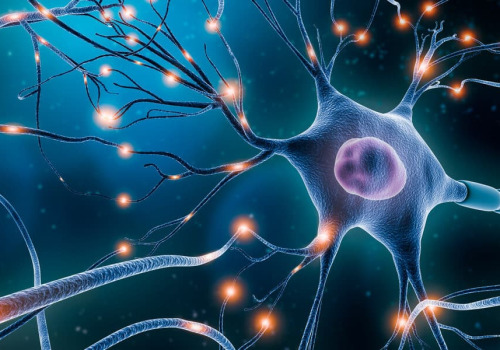
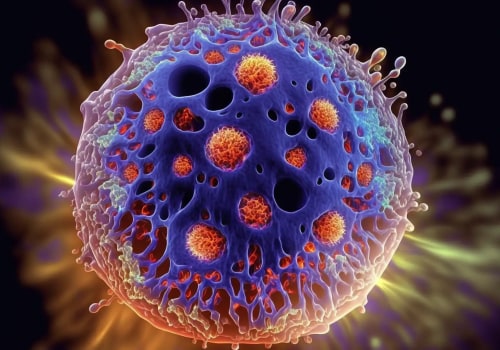
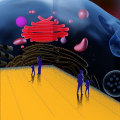
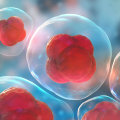
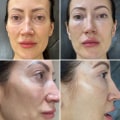
Exosomes are tiny extracellular vesicles that play a crucial role in cellular communication and regeneration. These nano-sized particles are secreted by various cells, including stem cells, and are packed with bioactive molecules such as proteins, lipids, and nucleic acids. Their primary function is to facilitate intercellular communication, allowing cells to share information and coordinate responses to environmental changes. This unique ability makes exosomes a focal point of interest in the field of regenerative medicine, particularly in skin health.In the context of skin rejuvenation, exosomes have emerged as a promising tool for combating signs of aging, including wrinkles.
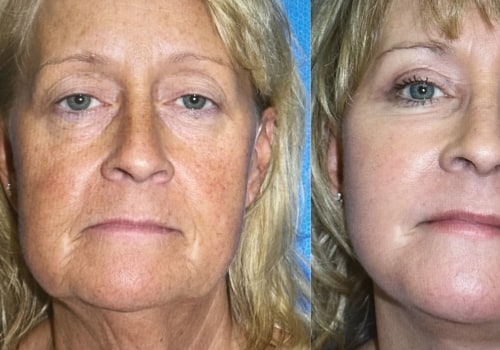
As we age, our skin undergoes various changes, such as decreased collagen production and reduced cellular turnover, leading to the formation of fine lines and wrinkles. Exosomal therapy harnesses the regenerative properties of these vesicles to stimulate the skin's natural healing processes. By delivering essential growth factors and proteins directly to skin cells, exosomes can enhance collagen synthesis, improve elasticity, and promote overall skin vitality.The benefits of exosomal therapy extend beyond mere wrinkle reduction. This innovative treatment can also address a range of skin concerns, including uneven texture, pigmentation issues, and sun damage.
By revitalising the skin at a cellular level, exosomal therapy not only improves the appearance of existing wrinkles but also helps prevent future signs of aging. As research continues to unveil the full potential of exosomes in dermatology, it is clear that they represent a significant advancement in non-invasive anti-aging treatments.
The Science Behind Exosomal Therapy
Exosomal therapy represents a groundbreaking advancement in the field of regenerative medicine, particularly in its application for skin rejuvenation and wrinkle reduction. At its core, this therapy utilises exosomes, which are nanoscale extracellular vesicles secreted by various cells, including stem cells. These exosomes play a pivotal role in intercellular communication, carrying a rich cargo of proteins, lipids, and nucleic acids that facilitate cellular repair and regeneration.When exosomes are introduced into the skin, they initiate a cascade of biological processes that promote healing and rejuvenation.The mechanism of action begins with the exosomes binding to target cells in the dermis. This interaction triggers a series of cellular responses that enhance collagen synthesis, a crucial protein responsible for maintaining skin elasticity and firmness. Studies have shown that exosomal therapy can increase collagen production by as much as 700% over several months, significantly improving the appearance of fine lines and wrinkles.Moreover, exosomes contain various growth factors that stimulate the proliferation of fibroblasts—cells that are essential for producing collagen and elastin. This not only aids in reducing existing wrinkles but also helps prevent new ones from forming.
Additionally, the antioxidant properties of exosomes protect skin cells from oxidative stress caused by environmental factors such as UV radiation and pollution, further contributing to a youthful appearance.The benefits of exosomal therapy extend beyond mere wrinkle reduction. Patients often report improvements in overall skin texture, tone, and hydration levels. The therapy can also address other skin concerns such as hyperpigmentation, acne scars, and uneven skin tone. As a versatile treatment option, exosomal therapy is suitable for all skin types and can be tailored to meet individual needs.In summary, the science behind exosomal therapy lies in its ability to harness the natural regenerative capabilities of exosomes to promote skin health. Additionally, the antioxidant properties of exosomes protect skin cells from oxidative stress caused by environmental factors such as UV radiation and pollution, further contributing to a youthful appearance.The benefits of exosomal therapy extend beyond mere wrinkle reduction. Patients often report improvements in overall skin texture, tone, and hydration levels. The therapy can also address other skin concerns such as hyperpigmentation, acne scars, and uneven skin tone. As a versatile treatment option, exosomal therapy is suitable for all skin types and can be tailored to meet individual needs.In summary, the science behind exosomal therapy lies in its ability to harness the natural regenerative capabilities of exosomes to promote skin health.
By enhancing collagen production, protecting against oxidative damage, and improving overall skin quality, this innovative treatment offers a promising solution for those seeking to combat the signs of aging.
Exosomes and Wrinkle Reduction: What the Research Says
Recent studies have begun to shed light on the potential of exosomal therapy as a viable treatment for reducing wrinkles and enhancing overall skin quality. Exosomes, which are nanosized vesicles secreted by various cells, particularly stem cells, play a crucial role in intercellular communication and tissue regeneration. Their rich content of growth factors, proteins, and genetic material makes them a promising candidate for anti-aging therapies.One pivotal study published in the Journal of Cosmetic Dermatology explored the effects of exosomal therapy on skin rejuvenation. The researchers found that patients who received exosome treatments exhibited a significant reduction in fine lines and wrinkles after a series of sessions.The study highlighted that exosomes stimulate fibroblast activity, leading to increased collagen synthesis, which is essential for maintaining skin elasticity and firmness.Another clinical trial focused on the application of exosomes derived from adipose tissue. This research demonstrated that these exosomes could enhance skin hydration and improve texture while reducing the appearance of age-related wrinkles. Participants reported visible improvements within weeks, with results continuing to enhance over several months as collagen production increased.Moreover, a meta-analysis encompassing multiple studies indicated that exosomal therapy could lead to an impressive increase in collagen levels—up to 700%—over time. This finding underscores the therapy's potential not only for wrinkle reduction but also for overall skin rejuvenation.While the initial results are promising, it is essential to note that ongoing research is necessary to fully understand the long-term effects and optimal protocols for exosomal therapy.
As this field evolves, further clinical studies will help establish standardized treatment regimens and assess the efficacy across diverse skin types.In conclusion, current research supports the notion that exosomal therapy can effectively reduce wrinkles and improve skin quality. As more evidence emerges, this innovative approach may become a cornerstone in anti-aging treatments, offering individuals a natural and effective solution for maintaining youthful skin.
Comparing Exosomal Therapy to Other Anti-Aging Treatments
As the quest for youthful skin continues, various anti-aging treatments have emerged, each with its own set of benefits and limitations. Among these, exosomal therapy stands out due to its unique regenerative properties. To better understand its advantages, it is essential to compare exosomal therapy with other popular treatments such as Platelet-Rich Plasma (PRP) and dermal fillers.Exosomal Therapy vs.
PRPBoth exosomal therapy and PRP utilise the body’s natural healing mechanisms, but they do so in different ways. PRP involves drawing a patient’s blood, processing it to concentrate the platelets, and then injecting this rich plasma back into the skin. While PRP is effective in stimulating collagen production and improving skin texture, it relies heavily on the presence of platelets and growth factors found in the blood.In contrast, exosomal therapy harnesses the power of exosomes—tiny vesicles secreted by stem cells that contain a wealth of bioactive molecules, including proteins, lipids, and RNA. These components facilitate intercellular communication and promote tissue repair more efficiently than PRP.
Studies suggest that exosomal therapy can enhance collagen production by up to 700%, offering a more potent solution for reducing wrinkles and improving overall skin quality.
Exosomal Therapy vs. Dermal Fillers
Dermal fillers are another popular option for combating signs of aging. They work by physically plumping the skin to reduce the appearance of wrinkles and fine lines. While fillers provide immediate results, they are temporary solutions that require regular maintenance treatments to sustain their effects.On the other hand, exosomal therapy not only addresses existing wrinkles but also promotes long-term skin rejuvenation through natural regeneration processes.Unlike fillers, which can sometimes lead to an unnatural appearance if overused, exosomes encourage the body to heal itself from within, resulting in a more natural and youthful look over time.
The Unique Advantages of Exosomal Therapy
- Natural Healing: Exosomes promote cellular repair and regeneration without introducing foreign substances into the body.
- Versatility: Suitable for all skin types and conditions, exosomal therapy can address a wide range of issues beyond just wrinkles.
- Long-Lasting Results: While initial improvements may be seen within weeks, the full benefits of exosomal therapy can continue to develop over several months.
- Minimal Downtime: Patients typically experience little to no downtime compared to more invasive procedures.
The Procedure: What to Expect During Exosomal Therapy
Exosomal therapy is an innovative approach to skin rejuvenation that has gained popularity for its ability to address various signs of aging, including wrinkles. Understanding the procedure can help you prepare for your treatment and set realistic expectations for the results.Preparation for Exosomal Therapy
Before undergoing exosomal therapy, it is essential to have a consultation with a qualified practitioner. During this initial meeting, your medical history will be reviewed, and your skin type and specific concerns will be assessed.
This step ensures that the treatment is tailored to your individual needs.In the days leading up to your appointment, you may be advised to avoid certain medications or supplements that can increase bleeding, such as aspirin or fish oil. Staying hydrated and maintaining a healthy skincare routine can also enhance the effectiveness of the treatment.
The Treatment Process
On the day of your treatment, you will arrive at the clinic where the procedure will take place. The session typically begins with cleansing the skin to remove any impurities. Depending on your comfort level and the extent of the treatment, a topical anaesthetic may be applied to minimise discomfort during the procedure.The exosomes used in therapy are usually derived from adipose tissue or stem cells and are prepared in a sterile environment.
The application methods can vary; however, common techniques include:
- Microneedling: This method involves using a device with fine needles to create micro-injuries in the skin, allowing for deeper penetration of exosomes.
- Injection: In some cases, exosomes may be injected directly into targeted areas to enhance their effects on specific wrinkles or fine lines.
- Topical Application: Exosomes can also be applied topically after microneedling or as part of a facial treatment.
Aftercare Tips
Post-treatment care is crucial for optimal results. It is advisable to avoid direct sun exposure and strenuous exercise for at least 24 hours following the procedure. Your practitioner may recommend specific skincare products that are gentle and hydrating to support recovery.Additionally, staying well-hydrated and maintaining a balanced diet rich in vitamins and antioxidants can further enhance the rejuvenating effects of exosomal therapy.
Regular follow-up appointments may also be suggested to monitor progress and determine if additional treatments are necessary.By understanding what to expect during exosomal therapy, you can approach your treatment with confidence and anticipation for improved skin texture and reduced wrinkles.
Potential Side Effects and Considerations of Exosomal Therapy
As with any medical or cosmetic procedure, exosomal therapy comes with its own set of potential side effects and risks that individuals should consider before undergoing treatment. Understanding these factors is crucial for making an informed decision about whether this innovative therapy is right for you.While exosomal therapy is generally regarded as safe, some patients may experience mild to moderate side effects. These can include:- Redness and Swelling: Following the treatment, it is common to observe temporary redness or swelling at the injection site. This usually subsides within a few hours to a few days.
- Itching or Discomfort: Some individuals may experience mild itching or discomfort in the treated area, which typically resolves quickly.
- Bruising: As with any injection-based treatment, there is a risk of bruising.
This can occur due to the needle puncturing small blood vessels during the procedure.
- Allergic Reactions: Although rare, some patients may have an allergic reaction to the components of the exosomes or the carrier substances used during treatment. Symptoms can range from mild irritation to more severe reactions.
- Infection Risk: As with any procedure that involves injections, there is a risk of infection. It is essential to ensure that the treatment is performed in a sterile environment by qualified professionals.
- Long-term Effects: Since exosomal therapy is still a relatively new field, long-term effects are not yet fully understood. Ongoing research aims to provide more insights into the safety and efficacy of this treatment over extended periods.
- Individual Variability: Each person's skin and body respond differently to treatments.
Factors such as age, skin type, and overall health can influence how one reacts to exosomal therapy.
Long-Term Results: How Effective is Exosomal Therapy for Wrinkles?
Exosomal therapy has emerged as a promising solution for reducing the appearance of wrinkles and enhancing overall skin quality. However, understanding the long-term results of this treatment is crucial for individuals considering it as a viable option for anti-aging. The effectiveness of exosomal therapy can vary based on several factors, including individual skin type, age, and the specific skin concerns being addressed.Clinical studies and anecdotal evidence suggest that many patients experience noticeable improvements in skin texture and a reduction in fine lines and wrinkles within weeks of treatment.These results are primarily attributed to the therapy's ability to stimulate collagen and elastin production, which are essential for maintaining skin elasticity and firmness. Over time, as the body continues to produce these proteins, the effects of exosomal therapy can become even more pronounced.However, while initial results can be impressive, it is important to consider how long these benefits last. Many practitioners recommend maintenance treatments to sustain the improvements achieved through exosomal therapy. Typically, these maintenance sessions may be scheduled every six months to a year, depending on individual needs and the extent of skin aging.Moreover, the longevity of results can also be influenced by lifestyle factors such as sun exposure, diet, and skincare routines.
For instance, individuals who consistently protect their skin from UV damage and maintain a healthy diet rich in antioxidants may experience longer-lasting results from their exosomal treatments.In summary, while exosomal therapy can provide significant improvements in reducing wrinkles and enhancing skin quality, ongoing maintenance treatments are often necessary to preserve these results over time. By combining exosomal therapy with a comprehensive skincare regimen and healthy lifestyle choices, individuals can maximise their anti-aging outcomes and enjoy youthful-looking skin for years to come.
Frequently Asked Questions About Exosomal Therapy and Wrinkles
As interest in exosomal therapy continues to grow, many potential patients have questions about its effectiveness in treating wrinkles and overall skin rejuvenation. Below are some of the most frequently asked questions regarding this innovative treatment.What are exosomes?
Exosomes are tiny vesicles secreted by various cells, including stem cells. They play a crucial role in cell communication and contain a rich array of bioactive molecules such as proteins, lipids, and RNA.These components are essential for promoting tissue repair and regeneration, making exosomes a valuable tool in aesthetic treatments.
How does exosomal therapy work for wrinkles?
Exosomal therapy works by delivering these bioactive molecules directly to the skin. When applied topically or through microneedling, exosomes stimulate collagen and elastin production, which are vital for maintaining skin elasticity and firmness. This process helps to reduce the appearance of fine lines and wrinkles, leading to a more youthful complexion.Is exosomal therapy safe?
Yes, exosomal therapy is generally considered safe. Since exosomes are derived from the body’s own cells, there is a lower risk of adverse reactions compared to synthetic treatments.However, it is essential to consult with a qualified practitioner to ensure that the treatment is appropriate for your skin type and condition.
How long does it take to see results?
Results from exosomal therapy can vary from person to person. Many patients begin to notice improvements in skin texture and reduction in wrinkles within a few weeks following treatment. Optimal results typically develop over several months as collagen production increases.Are there any side effects?
While side effects are minimal, some patients may experience mild redness or swelling at the treatment site. These effects usually subside within a few days.It is crucial to follow post-treatment care instructions provided by your practitioner to minimise any potential side effects.
How long do the results last?
The longevity of results can depend on various factors, including individual skin type and lifestyle choices. Many patients find that regular maintenance sessions help sustain their results over time. A tailored skincare regimen can also enhance the longevity of the treatment effects.If you have further questions about exosomal therapy and its benefits for wrinkle reduction, consider scheduling a consultation with a qualified professional who can provide personalised advice based on your unique skin needs.Conclusion: Is Exosomal Therapy the Future of Anti-Aging Treatments?
As we draw our exploration of exosomal therapy to a close, it is essential to reflect on the significant advancements this innovative treatment brings to the realm of anti-aging and skin rejuvenation. The potential of exosomes, particularly those derived from adipose tissue, has emerged as a promising avenue for addressing common skin concerns such as wrinkles, fine lines, and overall skin texture.Throughout this article, we have highlighted how exosomal therapy operates at a cellular level, utilising the natural regenerative properties of exosomes to stimulate collagen production and enhance skin repair mechanisms.This therapy not only targets the visible signs of aging but also works to improve the underlying health of the skin, making it a multifaceted approach to rejuvenation.One of the most compelling aspects of exosomal therapy is its versatility. It is suitable for various skin types and conditions, offering a tailored solution for individuals seeking to combat the effects of aging. Unlike traditional treatments that may not cater to all skin tones or types, exosomal therapy presents a more inclusive option that can be adapted to meet diverse needs.Moreover, the results from exosomal treatments are not merely superficial; they can lead to long-lasting improvements in skin quality. Many patients report visible enhancements in their skin's appearance within weeks of treatment, with continued benefits observed over time as collagen levels rise and skin elasticity improves.However, it is crucial to acknowledge that while exosomal therapy shows great promise, it is still an evolving field.
Ongoing research will undoubtedly uncover further applications and refine existing techniques, solidifying its place in modern dermatology.In conclusion, exosomal therapy stands at the forefront of anti-aging treatments, offering a natural and effective means to rejuvenate the skin. As we continue to explore its capabilities and integrate it into broader skincare regimens, it is clear that this innovative approach may very well shape the future of aesthetic medicine.