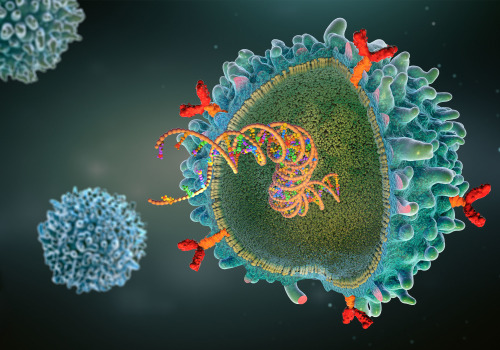
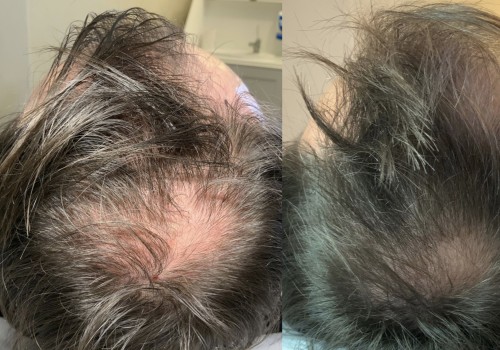
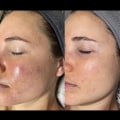
In recent years, exosomal therapy has emerged as a groundbreaking approach in the field of hair restoration, capturing the attention of both medical professionals and individuals grappling with hair loss. But what exactly are exosomes, and how do they contribute to the rejuvenation of hair follicles? Exosomes are tiny extracellular vesicles that play a crucial role in cell communication. They are secreted by various types of cells, including mesenchymal stem cells (MSCs), and are packed with essential proteins, lipids, and genetic material that facilitate intercellular signalling.The significance of exosomes in hair restoration lies in their ability to promote healing and regeneration. When injected into the scalp, these vesicles deliver a concentrated dose of growth factors and cytokines directly to the hair follicles.
This targeted delivery system not only stimulates dormant follicles but also enhances blood circulation in the scalp, creating an optimal environment for hair growth. As a result, individuals undergoing exosomal therapy often report thicker, healthier hair over time.Moreover, the non-invasive nature of this treatment makes it an appealing option for those hesitant about surgical interventions. Unlike traditional hair transplant methods that involve invasive procedures, exosomal therapy offers a more gentle alternative with minimal downtime. As we delve deeper into the effectiveness and potential permanence of exosomal therapy for hair restoration, it is essential to understand the underlying science and mechanisms at play.
This knowledge will help clarify whether this innovative treatment can truly provide lasting results for those seeking to reclaim their hair.
The Science Behind Exosomes
Exosomes are fascinating biological entities that play a crucial role in cellular communication and regeneration. These small extracellular vesicles, typically ranging from 30 to 150 nanometers in diameter, are secreted by various cell types, including mesenchymal stem cells (MSCs). The significance of exosomes lies in their ability to transport a diverse array of molecular cargo, including proteins, lipids, and nucleic acids, which can influence the behaviour of recipient cells.One of the primary functions of exosomes is to facilitate cellular communication. When MSCs release exosomes into the surrounding environment, these vesicles can interact with nearby cells, delivering their molecular contents.This process is essential for maintaining homeostasis and promoting tissue repair. For instance, in the context of hair restoration, exosomes can stimulate dormant hair follicles by providing them with growth factors and other signalling molecules that encourage proliferation and differentiation.The mechanism by which exosomes exert their effects involves several key steps:
- Release: Exosomes are formed within the endosomal system of the cell and are released into the extracellular space when multivesicular bodies fuse with the plasma membrane.
- Uptake: Recipient cells can take up exosomes through various mechanisms, including endocytosis. Once inside the target cell, the cargo can be released into the cytoplasm.
- Signal transduction: The molecular components carried by exosomes can activate specific signalling pathways within recipient cells, leading to changes in gene expression and cellular behaviour.
The regenerative properties of these vesicles not only promote hair growth but also enhance overall scalp health.In summary, understanding the science behind exosomes reveals their vital role in cellular communication and regeneration. As research continues to unfold, the therapeutic applications of exosomal therapy are likely to expand, offering promising solutions for those seeking effective treatments for hair loss and other regenerative challenges.
Exosomal Therapy for Hair Loss: What to Expect
Exosomal therapy for hair loss is an innovative approach that harnesses the regenerative properties of exosomes to stimulate hair growth. Understanding the treatment process and what to expect can help patients make informed decisions about their hair restoration journey.Initial Consultation
The first step in the exosomal therapy process is a comprehensive consultation with a qualified specialist. During this appointment, the practitioner will assess your hair loss condition, discuss your medical history, and determine if you are a suitable candidate for the treatment.
This is also an opportunity for you to ask questions and express any concerns you may have.
Preparation for Treatment
Once you are deemed a suitable candidate, the next phase involves preparing for the procedure. This may include:
- Avoiding blood thinners and certain medications that could increase bleeding.
- Refraining from alcohol consumption and smoking in the days leading up to the treatment.
- Ensuring your scalp is clean and free from any products on the day of the procedure.
The Treatment Process
Exosomal therapy typically involves several key steps:
- Scalp Preparation: The scalp is cleansed thoroughly to remove any impurities. Some practitioners may apply a local anaesthetic to minimise discomfort during the procedure.
- Exosome Extraction: Exosomes are derived from mesenchymal stem cells, which are collected and processed in a laboratory setting. This ensures that the exosomes used are of high quality and contain essential growth factors.
- Injection: The prepared exosomes are injected into specific areas of the scalp using fine needles.
This targeted approach allows for optimal absorption by dormant hair follicles.
Post-Treatment Expectations
After the procedure, patients can expect some mild swelling or redness at the injection sites, which typically subsides within a few days. It is crucial to follow post-treatment care instructions provided by your practitioner, which may include:
- Avoiding strenuous activities for a few days.
- Steering clear of direct sunlight on the scalp.
- Avoiding hair products for a specified period.
Expected Results
The results of exosomal therapy can vary from person to person. Many patients begin to notice improvements in hair density and thickness within three to six months following treatment. While some individuals may experience significant regrowth, others might see more subtle changes.
Regular follow-up appointments will help monitor progress and determine if additional treatments are necessary.In summary, exosomal therapy offers a promising solution for those experiencing hair loss. By understanding what to expect during and after the treatment process, patients can approach their hair restoration journey with confidence and clarity.
Are Results from Exosomal Therapy Permanent?
When considering the effectiveness of exosomal therapy for hair restoration, one of the most pressing questions is whether the results are permanent. While initial findings are promising, the permanence of hair growth achieved through this innovative treatment can vary significantly among individuals.Exosomes, which are tiny vesicles secreted by stem cells, play a crucial role in cellular communication and regeneration. They contain a rich array of growth factors and proteins that stimulate hair follicles, promoting new hair growth and potentially revitalising dormant follicles.However, the longevity of these results is influenced by several factors:
- Individual Response: Each person's biological response to exosomal therapy can differ. Factors such as age, genetics, and overall health can impact how effectively the body utilises the exosomes for hair restoration.
- Scalp Condition: The health of the scalp prior to treatment is also critical. A well-nourished and healthy scalp may respond better to therapy, leading to more sustainable results.
- Follow-Up Treatments: While some patients report maintaining their results for up to a year, others may require additional treatments every 6 to 12 months to sustain hair growth. Regular follow-ups can help monitor progress and address any potential issues early on.
Many individuals have reported significant improvements in hair density and thickness following exosomal therapy. However, anecdotal evidence suggests that while some maintain their results long-term, others notice a gradual decline in hair growth after several months. This inconsistency highlights the need for ongoing research into the long-term effects of exosomal therapy.Moreover, it is essential to consider that while exosomes can rejuvenate hair follicles, they do not stop the natural aging process or hormonal changes that contribute to hair loss. Therefore, even if initial results are promising, ongoing maintenance may be necessary to achieve lasting effects.In conclusion, while exosomal therapy offers a revolutionary approach to treating hair loss with potential long-term benefits, its permanence is not guaranteed.
Individual factors play a significant role in determining how long the results last. As research continues to evolve, it will provide clearer insights into optimising treatment protocols for sustained hair growth.
Comparing Exosomal Therapy with Other Hair Restoration Methods
When considering options for hair restoration, it is essential to evaluate the various methods available, particularly exosomal therapy, platelet-rich plasma (PRP) therapy, and traditional hair transplants. Each of these treatments has its unique advantages and disadvantages, making it crucial for individuals to understand how they compare.Exosomal Therapy vs. PRP
Exosomal therapy and PRP are both non-surgical approaches aimed at stimulating hair growth.However, they differ significantly in their mechanisms and effectiveness.
- Mechanism of Action: Exosomal therapy utilises exosomes derived from mesenchymal stem cells, which contain a rich array of growth factors and signalling molecules that promote cellular regeneration. In contrast, PRP involves drawing a patient’s blood, processing it to concentrate the platelets, and injecting this platelet-rich plasma into the scalp to stimulate hair follicles.
- Efficacy: Many studies suggest that exosomal therapy may offer superior results compared to PRP due to the higher concentration of growth factors present in exosomes. Patients often report more significant improvements in hair density and thickness with exosomal treatments.
- Longevity of Results: While both treatments can provide lasting results, exosomes have been shown to remain active in the scalp for up to eight months, potentially leading to longer-lasting effects than PRP, which may require more frequent sessions.
Hair Transplant Alternatives
For those seeking alternatives to surgical hair transplants, both exosomal therapy and PRP present viable options. Hair transplants involve relocating hair follicles from one part of the scalp to another, which can be invasive and requires significant recovery time.- Invasiveness: Unlike hair transplants, which are surgical procedures requiring anaesthesia and incisions, both exosomal therapy and PRP are minimally invasive.
This means less discomfort and a quicker return to daily activities.
- Cost: Hair transplants can be considerably more expensive than non-surgical options. Exosomal therapy and PRP typically cost less while still providing effective results.
- Scarring: Surgical methods often leave scars on the scalp, whereas non-surgical treatments do not result in visible scarring, making them more appealing for many patients.
Safety and Risks of Exosomal Therapy
As with any medical treatment, understanding the safety and potential risks associated with exosomal therapy is crucial for anyone considering this innovative approach to hair restoration. While exosomal therapy has shown promising results in promoting hair growth, it is essential to be aware of the regulatory landscape and any warnings issued by health authorities.The Food and Drug Administration (FDA) has raised concerns regarding the use of exosomes in various treatments, including hair loss.In recent years, the FDA has issued warnings about the unapproved use of exosomal products, highlighting that these therapies may not have undergone rigorous testing for safety and efficacy. This lack of regulation means that patients should exercise caution and seek treatments from reputable providers who adhere to established medical guidelines.One of the primary risks associated with exosomal therapy is the potential for adverse reactions. While many patients report minimal side effects, some may experience:
- Injection site reactions: These can include swelling, redness, or discomfort at the injection site.
- Allergic reactions: Although rare, some individuals may have an allergic response to components within the exosome preparation.
- Infection: As with any procedure that involves injections, there is a risk of infection if proper sterile techniques are not followed.
Factors such as age, overall health, and the underlying cause of hair loss can influence how well a patient responds to exosomal therapy. Therefore, a thorough consultation with a qualified healthcare professional is essential before proceeding with treatment.In conclusion, while exosomal therapy presents a promising option for those suffering from hair loss, it is vital to remain informed about its safety profile and potential risks. Patients should ensure they are receiving treatment from licensed practitioners who follow FDA guidelines and are committed to patient safety. By doing so, individuals can make more informed decisions about their hair restoration journey.
Post-Treatment Care and Maintenance for Optimal Results
After undergoing exosomal therapy for hair restoration, the journey does not end with the treatment itself.Proper post-treatment care is crucial to maximise the benefits and ensure that the results are long-lasting. Here are some essential guidelines to follow:
Immediate Post-Treatment Care
In the first few days following your exosomal therapy, it is vital to take specific precautions to protect your scalp and newly stimulated hair follicles:- Avoid Washing Your Hair: Refrain from washing your hair for at least 48 hours post-treatment. This allows the exosomes to settle and begin their work without interference.
- Limit Physical Activity: Strenuous exercise or activities that cause excessive sweating should be avoided for a few days. Sweat can irritate the scalp and affect the healing process.
- Protect from Sun Exposure: Keep your scalp shielded from direct sunlight.
Wearing a hat or using a scarf can help protect your scalp from UV rays, which may hinder recovery.
Long-Term Maintenance Strategies
To maintain the results of your exosomal therapy, consider incorporating the following strategies into your routine:- Follow-Up Treatments: Regular follow-up appointments with your healthcare provider are essential. Depending on individual needs, additional treatments may be recommended every 6 to 12 months to sustain hair growth.
- Scalp Care Products: Use gentle, nourishing shampoos and conditioners that promote scalp health. Look for products containing natural ingredients that support hair growth.
- Healthy Lifestyle Choices: A balanced diet rich in vitamins and minerals can significantly impact hair health. Incorporate foods high in omega-3 fatty acids, biotin, and antioxidants to nourish your hair from within.
Monitoring Progress
Keep track of your hair growth progress by taking photos at regular intervals.This will help you and your healthcare provider assess the effectiveness of the treatment and make any necessary adjustments to your care plan.In conclusion, while exosomal therapy offers promising results for hair restoration, diligent post-treatment care is essential for optimal outcomes. By adhering to these guidelines and maintaining regular communication with your healthcare provider, you can enhance the longevity of your results and enjoy a fuller head of hair for years to come.
Future of Exosomal Therapy in Hair Restoration
The landscape of hair restoration is evolving rapidly, and exosomal therapy stands at the forefront of this transformation. As research continues to unfold, several promising trends and advancements are emerging that could significantly enhance the efficacy of exosomal treatments for hair loss.One of the most exciting developments in this field is the ongoing exploration of the specific growth factors and proteins contained within exosomes. Researchers are delving deeper into the molecular composition of these extracellular vesicles to identify which components are most effective in stimulating hair follicle regeneration.This could lead to tailored therapies that maximise results based on individual patient profiles.Moreover, advancements in biotechnology are paving the way for improved methods of exosome extraction and delivery. Techniques such as nanotechnology and 3D bioprinting are being investigated to create more efficient delivery systems that ensure exosomes reach their target areas more effectively. This could potentially reduce the frequency of treatments required while enhancing overall outcomes.Another area of focus is the integration of exosomal therapy with other regenerative treatments, such as platelet-rich plasma (PRP) therapy. Combining these modalities may yield synergistic effects, leading to enhanced hair growth and improved scalp health.
Ongoing clinical trials are assessing these combinations to determine optimal protocols for patient care.Furthermore, as the understanding of exosomes expands, there is potential for their application beyond just hair restoration. Research is exploring their role in skin rejuvenation and anti-aging treatments, which could open new avenues for comprehensive aesthetic therapies that address multiple concerns simultaneously.In conclusion, the future of exosomal therapy in hair restoration looks promising, with ongoing research and technological advancements poised to revolutionise treatment options. As we continue to uncover the potential of exosomes, patients can look forward to more effective, personalised solutions for hair loss that not only restore their hair but also enhance their overall well-being.
Frequently Asked Questions about Exosomal Therapy for Hair Loss
As interest in exosomal therapy for hair loss continues to grow, many patients have questions about its effectiveness, safety, and overall process. Here are some of the most frequently asked questions regarding this innovative treatment.What are exosomes and how do they work for hair restoration?
Exosomes are tiny extracellular vesicles released by stem cells that play a crucial role in cell communication.They contain a variety of growth factors, proteins, and genetic material that can promote healing and regeneration. When injected into the scalp, exosomes stimulate dormant hair follicles, encouraging them to enter the growth phase and produce thicker, healthier hair.
Is exosomal therapy safe?
Exosomal therapy is generally considered safe when performed by qualified professionals. However, as with any medical treatment, there may be risks involved. It is essential to consult with a healthcare provider who has experience in administering this therapy to discuss any potential side effects or complications.How long do the results last?
The longevity of results from exosomal therapy can vary from person to person.While exosomes can remain active in the body for up to six to eight months, many patients report sustained hair growth for a year or longer. Regular follow-up treatments may be recommended to maintain optimal results.
Can anyone undergo exosomal therapy for hair loss?
Most individuals experiencing hair thinning or loss can benefit from exosomal therapy. However, it is crucial to undergo a thorough evaluation by a healthcare professional to determine if this treatment is suitable for your specific condition and medical history.What should I expect during the treatment process?
The treatment typically involves a consultation where your healthcare provider will assess your hair loss condition. During the procedure, exosomes are injected into targeted areas of the scalp using a fine needle.The process is relatively quick and minimally invasive, often requiring only local anaesthesia.
Are there any side effects associated with exosomal therapy?
While side effects are generally minimal, some patients may experience mild discomfort at the injection site, swelling, or redness. These symptoms usually resolve within a few days. It is important to discuss any concerns with your provider before undergoing treatment.In summary, understanding these common questions about exosomal therapy can help alleviate concerns and provide clarity on what to expect from this promising hair restoration option.Conclusion: The Promise of Exosomal Therapy for Hair Restoration
In summary, exosomal therapy represents a significant advancement in the field of hair restoration, offering a promising alternative for individuals grappling with hair loss. The therapy utilises exosomes, which are tiny vesicles derived from mesenchymal stem cells, to deliver essential growth factors and signalling molecules directly to the hair follicles.This targeted approach not only stimulates hair growth but also rejuvenates dormant follicles, potentially leading to thicker and healthier hair.One of the most compelling aspects of exosomal therapy is its longevity. While the exosomes themselves may remain active in the scalp for approximately six to eight months, the results can be enduring if the hair follicles respond positively to the treatment. Many patients have reported maintaining their new hair growth for extended periods, with some suggesting that follow-up treatments may only be necessary every six to twelve months.However, it is crucial to approach this therapy with realistic expectations. Although initial results are promising, ongoing research is essential to fully understand the long-term effects and efficacy of exosomal therapy for hair restoration.
As with any medical treatment, individual responses can vary significantly, and factors such as age, genetics, and overall health can influence outcomes.Moreover, safety remains a paramount concern. While exosomal therapy is generally considered safe, it is vital for patients to consult with qualified professionals who can provide personalised assessments and ensure that the treatment is appropriate for their specific needs.In conclusion, exosomal therapy holds great potential as a non-invasive solution for hair loss. Its ability to stimulate natural hair growth while minimising surgical intervention makes it an attractive option for many. As advancements in technology continue to evolve, we may witness even more remarkable developments in this field, further solidifying exosomal therapy's role in effective hair restoration.