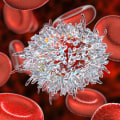
Exosomes are small extracellular vesicles, typically ranging from 30 to 100 nanometres in diameter, that play a pivotal role in intercellular communication. These vesicles are secreted by various cell types, including cancer cells, and are found in numerous biological fluids such as blood, urine, and saliva. Their unique composition, which includes proteins, lipids, and nucleic acids, makes them a rich source of information about the physiological state of their parent cells. As a result, exosomes have garnered significant attention in the field of oncology for their potential as cancer biomarkers.
The significance of exosomes in cancer research lies not only in their ability to reflect the molecular profile of tumours but also in their potential to facilitate early detection and monitoring of cancer progression. Traditional diagnostic methods often involve invasive procedures that can be uncomfortable for patients and may not always provide timely results. In contrast, liquid biopsyliquid biopsy techniques that utilise exosomes offer a non-invasive alternative, allowing for the analysis of tumour-derived material from easily accessible body fluids. Moreover, the heterogeneity of exosomes derived from different cell types provides a comprehensive overview of the tumour microenvironment.
This characteristic enables researchers to identify specific biomarkers associated with various cancer types and stages. As our understanding of exosomal biology deepens, the prospect of exosomal therapy emerges as a revolutionary approach to cancer treatment. By harnessing the information contained within exosomes, clinicians may be able to tailor therapies that target individual patient profiles more effectively. In summary, exosomes represent a promising frontier in cancer diagnostics and therapeutics.
Their role as biomarkers not only enhances our ability to detect cancer at earlier stages but also opens new avenues for personalised treatment strategies. As research continues to unfold, the integration of exosomal analysis into clinical practice could significantly improve patient outcomes and redefine our approach to cancer management.
Understanding Exosomes: Definition and Biogenesis
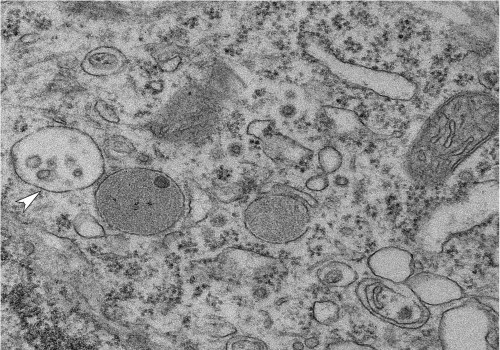
Exosomes are a type of extracellular vesicle that play a significant role in intercellular communication. These small, membrane-bound vesicles range from 30 to 150 nanometres in diameter and are secreted by various cell types, including those involved in cancer. Their unique composition, which includes proteins, lipids, and nucleic acids, makes them valuable for understanding cellular processes and disease mechanisms.The biogenesis of exosomes is a complex process that begins within the endosomal system of the cell.Initially, the inward budding of the plasma membrane forms early endosomes. These early endosomes can mature into late endosomes, which then develop into multivesicular bodies (MVBs). Within these MVBs, intraluminal vesicles (ILVs) are formed through further invagination of the endosomal membrane.Once MVBs are formed, they can either fuse with lysosomes for degradation or be transported to the plasma membrane, where they release their ILVs into the extracellular space as exosomes. This release is facilitated by specific proteins that mediate the fusion of MVBs with the plasma membrane.
The process is tightly regulated and influenced by various cellular signals, ensuring that exosome release occurs in response to specific physiological or pathological conditions.Exosomes carry a diverse array of biomolecules that reflect their cell of origin. For instance, they can contain:
- Proteins: These may include receptors, enzymes, and other functional proteins that can influence recipient cells.
- Nucleic acids: Exosomes often carry microRNAs (miRNAs) and messenger RNAs (mRNAs), which can modulate gene expression in target cells.
- Lipids: The lipid composition of exosomes can affect their stability and interaction with other cells.
The Composition of Exosomes: A Treasure Trove of Biomarkers
Exosomes are small extracellular vesicles that play a pivotal role in intercellular communication and are increasingly recognised for their potential as biomarkers in cancer diagnostics. The composition of exosomes is remarkably complex, comprising a diverse array of biomolecules, including proteins, lipids, RNA, and even DNA.This rich composition not only reflects the physiological state of the parent cell but also provides valuable insights into the underlying pathophysiology of various diseases, particularly cancer.
Proteins in Exosomes
- Exosomal proteins are derived from the parent cells and can include membrane proteins, cytosolic proteins, and proteins involved in signalling pathways.
- These proteins can serve as specific biomarkers for different cancer types. For instance, the presence of certain surface proteins may indicate the origin of the tumour or its stage.
- Moreover, proteins such as heat shock proteins and cytokines found in exosomes can provide information about the tumour microenvironment and immune response.
RNA Content in Exosomes
- Exosomes are rich in various types of RNA, including mRNA, microRNA (miRNA), and long non-coding RNA (lncRNA). These RNA molecules play crucial roles in gene regulation and can influence cancer progression.
- The specific profiles of miRNAs found in exosomes can be indicative of particular cancers. For example, certain miRNAs are upregulated or downregulated in breast cancer, making them potential biomarkers for diagnosis and prognosis.
- The stability of RNA within exosomes also makes them ideal candidates for liquid biopsy applications, allowing for non-invasive monitoring of cancer.
Lipid Composition
- The lipid bilayer of exosomes not only protects their contents but also plays a role in their functionality.
Lipids such as sphingolipids and cholesterol are abundant in exosomal membranes.
- The lipid composition can affect the biogenesis and release of exosomes, influencing their interaction with recipient cells.
- Changes in lipid profiles have been associated with various cancers, suggesting that lipid analysis could complement protein and RNA assessments for a more comprehensive biomarker profile.
Exosomes as Cancer Biomarkers: Mechanisms and Applications
Exosomes have emerged as a revolutionary tool in the realm of cancer diagnostics, serving as potential biomarkers that can significantly enhance the accuracy and efficiency of cancer detection. These nanoscale vesicles, secreted by various cell types including cancer cells, encapsulate a wealth of molecular information, making them invaluable for understanding the biological processes underlying cancer.Mechanisms of Action
The role of exosomes in cancer biology is multifaceted. They facilitate intercellular communication by transferring proteins, lipids, and nucleic acids between cells.
This transfer can influence the behaviour of recipient cells, promoting processes such as proliferation, invasion, and metastasis. For instance, exosomes derived from tumour cells can carry oncogenic factors that alter the phenotype of surrounding normal cells, thereby creating a supportive microenvironment for tumour growth.Moreover, exosomes can reflect the molecular characteristics of their cell of origin. This means that the specific cargo contained within exosomes can provide insights into the type and stage of cancer present in a patient. For example, studies have shown that exosomal RNA profiles can distinguish between different cancer types and even subtypes, offering a more nuanced approach to diagnosis.
Applications in Liquid Biopsy
One of the most promising applications of exosomes is in liquid biopsy—a non-invasive method for cancer detection that analyses biomarkers found in body fluids such as blood or urine.
Traditional biopsy methods can be invasive and painful, often requiring surgical procedures to obtain tissue samples. In contrast, liquid biopsies using exosomes allow for easier sample collection and have the potential to monitor disease progression over time.
- Early Detection: Exosomes can be isolated from blood samples and analysed for specific biomarkers associated with various cancers. This capability enables early detection when treatment is most effective.
- Monitoring Treatment Response: By tracking changes in exosomal content during treatment, clinicians can assess how well a patient is responding to therapy, allowing for timely adjustments to treatment plans.
- Prognostic Indicators: The presence and composition of certain exosomal markers can provide prognostic information about disease outcomes, helping to stratify patients based on their risk profiles.
As research continues to unravel the complexities of exosomal biology, we anticipate even broader applications in personalised medicine and targeted therapies.
The Role of Exosomal Therapy in Cancer Treatment
Exosomal therapy represents a groundbreaking approach in the realm of cancer treatment, leveraging the unique properties of exosomes to enhance therapeutic efficacy. These nanoscale vesicles, secreted by various cell types, including cancer cells, play a pivotal role in intercellular communication and can be harnessed for targeted drug delivery.One of the most significant advantages of exosomal therapy is their ability to encapsulate and transport therapeutic agents, such as chemotherapeutic drugs, RNA molecules, or proteins, directly to cancer cells. This targeted delivery system not only increases the concentration of the therapeutic agent at the tumour site but also minimises systemic side effects commonly associated with conventional cancer treatments.Mechanisms of Exosomal Drug Delivery
Exosomes possess a natural ability to fuse with recipient cells, facilitating the transfer of their cargo. This property can be exploited to improve the delivery of anticancer drugs.For instance:
- Encapsulation: Therapeutic agents can be loaded into exosomes, which protect them from degradation and enhance their stability in circulation.
- Targeting: By modifying the surface proteins of exosomes, researchers can direct them specifically to cancer cells, increasing the likelihood of uptake by the target cells.
- Release Mechanism: Once inside the target cell, exosomes can release their cargo through endosomal pathways, ensuring that the therapeutic agents are delivered precisely where needed.
Clinical Applications and Future Directions
The clinical applications of exosomal therapy are rapidly expanding. Current research is exploring their use in various cancers, including breast, lung, and pancreatic cancers.Early-phase clinical trials have shown promising results in using exosome-based therapies to improve patient outcomes.As we look to the future, further advancements in exosomal engineering and production techniques will likely enhance their therapeutic potential. The integration of nanotechnology with exosomal therapy could lead to more sophisticated delivery systems capable of targeting multiple pathways involved in cancer progression.In conclusion, exosomal therapy holds immense promise as a novel strategy in cancer treatment. By utilising the natural properties of exosomes for targeted drug delivery and combination therapies, we may significantly improve treatment efficacy while reducing adverse effects associated with traditional cancer therapies.
Challenges in Using Exosomes as Biomarkers and Therapeutics
While the potential of exosomes as biomarkers and therapeutic agents is promising, several challenges hinder their widespread application in clinical settings. Understanding these challenges is crucial for advancing research and improving therapeutic strategies.One of the primary challenges in exosome research is their heterogeneity.Exosomes are produced by various cell types and can vary significantly in size, composition, and function. This variability complicates the standardisation of isolation and analysis techniques. For instance, exosomes derived from different tissues may carry distinct molecular signatures, making it difficult to establish a universal biomarker profile for cancer detection or treatment monitoring.Moreover, the methods used for isolating exosomes can introduce biases. Common techniques such as ultracentrifugation, size exclusion chromatography, and precipitation can yield exosome populations that are not representative of the entire extracellular vesicle landscape.
This can lead to incomplete or misleading data regarding their biomarker potential.Another significant limitation is the stability of exosomes in biological fluids. Although they are generally stable due to their lipid bilayer structure, factors such as storage conditions, temperature fluctuations, and the presence of enzymes can affect their integrity and functionality. This instability poses challenges for long-term storage and transport, which are essential for clinical applications.Furthermore, the biological functions of exosomes are not yet fully understood. While they are known to play roles in intercellular communication and immune modulation, the specific mechanisms by which they influence cancer progression and therapy resistance remain elusive.
This lack of understanding can hinder the development of targeted therapies that utilise exosomes effectively.Lastly, regulatory hurdles present another challenge. The approval process for therapies involving exosomes is complex and often requires extensive preclinical and clinical data to demonstrate safety and efficacy. As research progresses, it will be essential to establish clear guidelines for the use of exosomes in diagnostics and therapeutics to facilitate their integration into clinical practice.In summary, addressing these challenges—particularly the heterogeneity of exosomes, their stability in biological fluids, understanding their biological functions, and navigating regulatory pathways—will be vital for unlocking the full potential of exosomal therapy in cancer treatment.
Future Directions: Advancements in Exosome Research and Clinical Applications
The future of exosome research is poised for significant advancements, particularly in the realm of oncology. As scientists continue to unravel the complexities of exosomes, their potential as diagnostic and therapeutic tools becomes increasingly apparent.Ongoing studies are exploring various aspects of exosome biology, including their role in cancer progression, intercellular communication, and immune modulation. These investigations are crucial for understanding how exosomes can be harnessed for clinical applications.One promising area of research is the development of exosomal therapy, which aims to utilise exosomes as vehicles for targeted drug delivery. By engineering exosomes to carry therapeutic agents, researchers hope to enhance the efficacy of treatments while minimising side effects. Clinical trials are currently underway to evaluate the safety and effectiveness of these therapies in various cancer types.
For instance, trials focusing on exosome-based vaccines are investigating their ability to stimulate robust immune responses against tumours.Moreover, advancements in liquid biopsy technology are set to revolutionise cancer diagnostics. Liquid biopsies offer a non-invasive alternative to traditional tissue biopsies, allowing for real-time monitoring of tumour dynamics through the analysis of circulating exosomes. Recent innovations in microfluidics and nanotechnology have improved the isolation and characterisation of exosomes from body fluids, making it easier to identify specific biomarkers associated with different cancer stages.As these technologies evolve, we can expect a more comprehensive understanding of tumour heterogeneity and treatment resistance. This knowledge will not only aid in early detection but also facilitate personalised treatment strategies tailored to individual patients' needs.In conclusion, the future of exosome research holds immense promise for enhancing cancer diagnosis and therapy.
With ongoing clinical trials and technological advancements paving the way, we are on the brink of a new era in oncology that leverages the unique properties of exosomes for improved patient outcomes.
Conclusion: The Promise of Exosomes in Cancer Diagnosis and Treatment
In summary, the exploration of exosomes as biomarkers and therapeutic agents in the realm of cancer research presents a transformative opportunity for enhancing patient care. Throughout this article, we have delved into the multifaceted roles that exosomes play in cancer biology, highlighting their potential as non-invasive diagnostic tools and their capacity to inform treatment strategies.Exosomes, with their unique composition of proteins, lipids, and nucleic acids, serve as a rich source of information regarding the molecular landscape of tumours. Their presence in various bodily fluids such as blood, urine, and saliva makes them particularly appealing for liquid biopsy applications. This non-invasive approach not only facilitates early detection but also allows for continuous monitoring of disease progression and treatment response.The ability of exosomes to reflect the heterogeneity of tumours is another significant advantage.As they are secreted by both tumour and surrounding stromal cells, they can provide insights into the complex interactions within the tumour microenvironment. This characteristic positions exosomes as valuable biomarkers for not only identifying cancer but also understanding its evolution and resistance mechanisms.Moreover, the therapeutic potential of exosomes cannot be overlooked. Research indicates that they can be engineered to deliver targeted therapies directly to cancer cells, thereby minimising off-target effects and enhancing treatment efficacy. This innovative approach aligns with the principles of As they are secreted by both tumour and surrounding stromal cells, they can provide insights into the complex interactions within the tumour microenvironment. This characteristic positions exosomes as valuable biomarkers for not only identifying cancer but also understanding its evolution and resistance mechanisms.Moreover, the therapeutic potential of exosomes cannot be overlooked. Research indicates that they can be engineered to deliver targeted therapies directly to cancer cells, thereby minimising off-target effects and enhancing treatment efficacy. This innovative approach aligns with the principles of precision medicine , where treatments are tailored to the individual characteristics of each patient's disease.Despite the promising prospects, challenges remain in standardising exosome isolation and analysis techniques.
Ongoing advancements in technology are crucial for overcoming these hurdles and unlocking the full potential of exosomes in clinical settings.In conclusion, the integration of exosomal therapy into cancer diagnosis and treatment paradigms holds immense promise. As research continues to unfold, it is imperative that we harness this potential to improve patient outcomes and pave the way for more effective cancer management strategies.